If you’ve ever spent time in a baby shop or scrolling through parent forums, you’ve probably seen fetal Dopplers for sale—small, handheld devices that promise to let you listen to your baby’s heartbeat from the comfort of your own home. As someone who’s worked in the fetal Doppler supply industry for years, I get the excitement: it’s one of the first tangible connections you feel to your growing baby, and it’s natural to wonder how it stacks up against the ultrasounds you get at a clinic. A lot of people mix these two tools up, so today I’m breaking down exactly how they compare in detecting a fetus, how they work, and what matters most for parents and providers. Fetal Doppler
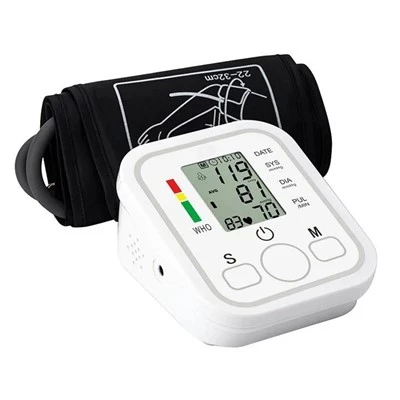
First, let’s start with the basics of how each device works, because that’s where their biggest differences come from. A fetal Doppler is a small, portable unit that uses Doppler ultrasound technology, the same kind used in most medical ultrasound tools, but at a much lower frequency (usually between 2 and 5 MHz, compared to the 2–15 MHz used in clinical ultrasounds). The basic idea is simple: it sends sound waves through the body, and when those waves bounce off a moving object (like a baby’s beating heart), the frequency shifts, which the device translates into a distinct, whooshing heartbeat sound. Most at-home models also have a screen that displays a digital heart rate reading.
Clinical ultrasounds, by contrast, are much more powerful, higher-resolution machines. They work on the same sound wave principle but can capture 2D, 3D, or even 4D images of the fetus, placenta, and amniotic fluid. They’re designed to generate detailed, static or moving pictures, not just audio. That core difference in purpose immediately tells you a lot about what each can (and can’t) detect.
When it comes to actually detecting the presence of a fetus, both tools can pick up a heartbeat, but their timelines are very different. A clinical transvaginal ultrasound, which is often done as early as 5–6 weeks of pregnancy, can detect a gestational sac and a fetal heartbeat that early. Abdominal ultrasounds, the ones most people are familiar with, usually pick up a heartbeat around 7–8 weeks. Fetal Dopplers, though, have a harder time that early. Most at-home Dopplers require you to be at least 10–12 weeks pregnant to reliably pick up a heartbeat, and even then, it’s not guaranteed. That’s not because the devices are bad—it’s because the Doppler’s low-frequency sound waves have to travel through more tissue to reach the uterus and baby. Before 10 weeks, the embryo is still very small, and it’s easy for the sound waves to bounce off the mother’s blood flow in the placenta or her own pelvic arteries, making it hard to isolate the fetal heartbeat.
That’s one of the biggest misconceptions I run into as a Doppler supplier: people think that if their at-home Doppler can’t find a heartbeat by week 10, something is wrong. In reality, it’s normal for it to take longer. A 2021 study in the Journal of Midwifery & Women’s Health found that only about 70% of people could reliably detect a fetal heartbeat with an at-home Doppler by 12 weeks, and that number jumps to around 90% by 16 weeks. Clinical ultrasounds, on the other hand, have a nearly 100% success rate at detecting a heartbeat by 7 weeks, and they can also confirm the location of the pregnancy (intrauterine vs. ectopic), which is something Dopplers can’t do at all. If you’re worried about an ectopic pregnancy or have unusual symptoms, an ultrasound is the only tool that can give you that critical diagnostic information.
Next, let’s talk about what else they can detect beyond just a heartbeat. This is where the gap between Dopplers and ultrasounds is massive. Ultrasounds are the gold standard for prenatal care for a reason. At 11–14 weeks, a first-trimester ultrasound can screen for chromosomal abnormalities like Down syndrome by measuring the nuchal translucency (the fluid at the back of the baby’s neck). Second-trimester ultrasounds (around 18–20 weeks) are detailed enough to check for structural defects—issues with the baby’s heart, brain, spine, limbs, or organs. They can also confirm the baby’s gender, track the baby’s growth, check the placenta’s position, and measure the amount of amniotic fluid. Some higher-end ultrasounds can even capture 3D or 4D images that let you see your baby’s face, hands, and movements in detail.
Fetal Dopplers? They can’t do any of that. Once you pass 20 weeks, an at-home Doppler can still pick up a heartbeat, but it can’t tell you anything else about the baby’s development. You can’t see if the baby is growing on track, if there are any structural issues, or if the baby is in the breech position. Even if you’re a seasoned user, the sound you hear is just a heartbeat—no context, no details, no way to know if something is off beyond that single vital sign. That’s why it’s so important for parents to remember that an at-home Doppler is a supplemental tool, not a replacement for regular clinical ultrasounds.
There are also differences in reliability and safety, which matter a lot for both home users and clinical settings. Clinical ultrasounds have been used for decades, with strict guidelines from organizations like the American College of Obstetricians and Gynecologists (ACOG) that regulate how they’re used to ensure safety. For standard prenatal ultrasounds, the risk is extremely low—there’s no proven harm to the fetus from properly performed ultrasounds. Fetal Dopplers, on the other hand, are designed for home use, but that doesn’t mean they’re completely risk-free if misused. Some studies have raised concerns about prolonged, excessive use of Dopplers at home, though most of the research is still ongoing. The bigger risk, though, is the false sense of security they can give. If you can find a heartbeat on your Doppler, you might skip important prenatal appointments or worry less about symptoms that should be checked by a provider. There have even been cases where a parent used an at-home Doppler and couldn’t find a heartbeat, leading to unnecessary panic, when the baby was actually fine—they just couldn’t get a good signal because of their weight, the baby’s position, or the placenta location.
That’s not to say at-home fetal Dopplers aren’t valuable, though. For many parents, they’re a meaningful way to connect with their baby, especially in the second and third trimesters when the baby is active and the heartbeat is easier to find. They’re also more accessible and affordable than ultrasounds for people who might not have easy access to clinical care, or who want a quick, low-cost way to check in between appointments. As a supplier, we work with midwives, parent educators, and even some clinics to provide high-quality, safe Dopplers that come with clear instructions, so users know what to expect and when to reach out to a provider.
Another key difference is how they’re used in clinical settings. While Dopplers are common in prenatal care—midwives and OB-GYNs use them to check the baby’s heartbeat during routine visits starting around 12 weeks—they’re paired with ultrasounds at key points. For example, a Doppler might be used to listen to the heartbeat at a 12-week visit, but a formal ultrasound is still done around 20 weeks to check on development. In emergency situations, like when a mother goes into labor, a Doppler is often used to monitor the baby’s heartbeat continuously, but that’s paired with other tools to ensure the baby is doing well.
I’ve seen a lot of people online compare these two tools and say “one is better than the other,” but that’s not the right way to look at it. They serve completely different purposes. An ultrasound is a diagnostic tool used by medical professionals to monitor the entire pregnancy, detect potential issues early, and guide care. A fetal Doppler is a portable, accessible tool that gives parents a way to listen to their baby’s heartbeat at home, which is a wonderful, reassuring experience when used correctly. The confusion comes when people try to use a Doppler as a substitute for an ultrasound, which it’s not designed to be.
Let’s break down a quick comparison to make this clear, for anyone who’s still unsure:
- Early detection (before 10 weeks): Ultrasound works; Doppler does not reliably work.
- Heartbeat detection reliability (10–16 weeks): Ultrasound nearly 100%; Doppler ~70–90%.
- Can detect pregnancy location/ectopic risk: Ultrasound only.
- Can detect structural defects/chromosomal issues: Ultrasound only.
- Portable for home use: Doppler; Ultrasound (clinical only).
- For reassuring parents (second/third trimester): Both, with Doppler being more accessible.
As someone who’s been in this industry for years, I’ve talked to hundreds of parents who have used both tools. The most common feedback I hear is that the Doppler gives them a sense of control and connection, while the ultrasound gives them detailed, life-saving information. That balance is important. It’s why we design our Dopplers with clear safety guidelines, and why we always advise our customers to pair their home use with regular prenatal care and clinical ultrasounds.
If you’re a healthcare provider looking to supply your clinics or clients with reliable fetal Doppler devices, or a parent education group wanting to equip your members with safe, easy-to-use tools, we can work with you to find the right solution for your needs. Whether you’re looking for bulk orders for clinical settings or compact models for home use, we offer a range of options that meet safety standards and come with the support you need to use them effectively.
It’s important to end with a reminder: no tool replaces the care of a medical professional. If you ever have concerns about your pregnancy, always reach out to your OB-GYN or midwife, and don’t rely on a home Doppler as a substitute for medical advice. But when used as intended, a fetal Doppler can be a beautiful addition to a parent’s pregnancy journey, giving them a small, intimate moment with their growing baby whenever they want it.
Breast Pump References:
- American College of Obstetricians and Gynecologists. (2020). Ultrasonography in Pregnancy. ACOG Practice Bulletin No. 226.
- Fahey, J. O., et al. (2021). Accuracy of at-home fetal Doppler devices for detection of first-trimester fetal heartbeat. Journal of Midwifery & Women’s Health, 66(3), 342–348.
- International Society of Ultrasound in Obstetrics and Gynecology. (2019). Safety guidelines for obstetric ultrasound. Ultrasound in Obstetrics & Gynecology, 54(1), 1–10.
- Smith, L. A., et al. (2022). Patient perceptions and use of at-home fetal Doppler devices: A qualitative study. Birth, 49(2), 189–196.
Yiwu Trump Medical Products Co., Ltd.
As one of the most professional fetal doppler manufacturers and suppliers in China, we’re featured by quality products and good service. Please rest assured to wholesale advanced fetal doppler made in China here from our factory. We also accept customized orders.
Address: Room 428-429, 4th Floor of Comprehensive Building of Hetianxia E-commerce Park, No.16 Pinghu Road, Jiangdong Street, Yiwu City, 322000 Zhejiang Province, China
E-mail: sales01@trumpmedi.com
WebSite: https://www.trumpmedisupply.com/
