If you’ve ever shopped for bike accessories, custom wheel gear, or even just parts to spruce up your ride, chances are you’ve seen both “wheel lights” and “wheel light plates” pop up in your search. At first glance, they might seem like the same thing—little bits of tech that make your wheels glow, right? But after years of working as a wheel light plate supplier, I can tell you they’re totally different products, each with their own perks, use cases, and even ways they’re installed. I’ve had so many customers message me over the years going, “Wait, I bought wheel lights last month, but they don’t do what your plate does—what gives?” So today, let’s break this down like we’re chatting over a coffee (or a beer, if that’s your vibe after a long day of dealing with bike commutes) and get super clear on the difference. Wheel Light Plate
First off, let’s nail down what basic wheel lights actually are, because that’s the more commonly known product here. When most people think “wheel lights,” they mean those individual, small LED units that you mount—usually to the spokes of your wheel. You’ll see them everywhere: on kids’ bikes, cheap electric scooters, even some entry-level commuter bikes. A typical wheel light is a tiny, standalone device, usually battery-powered (think CR2032 coin cells or small AAA batteries) with its own circuit, LED, and often a little motion sensor or a switch that activates when the wheel spins. They’re cheap, easy to find at gas stations or big-box stores, and there are tons of them—solid color, multicolor, even ones that sync to music or glow in patterns.
But here’s the thing with regular wheel lights: they’re individual. Each spoke might have one, or you might have a handful around the wheel, but they don’t connect to each other. That means when your wheel spins, they make little dots of light, but they don’t form a solid, uniform glow across the whole wheel. If you have 16 tiny lights on a 32-spoke wheel, you’re going to see discrete spots, not a smooth ring. Also, they’re prone to issues: one gets knocked loose from a pothole, and suddenly your pattern is off. Or a battery dies on one, so your wheel glows unevenly. They’re great for a quick, cheap glow, but they have big limitations if you want something that stands out or actually does the job of lighting up your wheel properly.
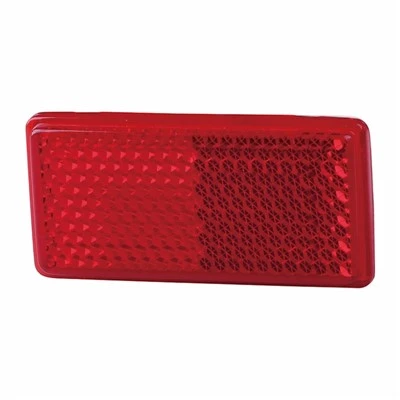
Now, wheel light plates—those are what we make, right? A wheel light plate is a pre-fabricated, flat (or sometimes slightly curved) panel that fits directly onto the inner or outer rim of your wheel, not the spokes. It’s one continuous unit, not a bunch of separate lights. Inside the plate, you have a strip of high-density LEDs sealed right into the panel, along with a single circuit board, a power source (usually a rechargeable lithium-ion battery, so you don’t have to mess with tiny coin cells every week), and sometimes a controller that lets you switch between colors, patterns, or brightness.
Wait, let’s get more specific. Unlike spoke lights, which sit on individual spots, the light from a wheel light plate is uniform because it’s spread across the entire length of the rim. When the wheel spins, that continuous strip of light creates a solid, glowing ring around the wheel—no gaps, no uneven spots. That’s a huge visual difference right there. If you’ve ever seen a bike trick out with these plates, you know what I mean: it looks like the wheel is floating, not just a bunch of dots around a tire.
Now, let’s talk about practical uses, because that’s where the two products really separate, especially if you’re not just looking for a fun accessory. Let’s start with commuters, for example. If you’re a daily bike commuter, visibility is non-negotiable. Regular wheel lights (spoke ones) can be okay, but they’re easy to miss—cars pull out and see a tiny dot, not a full ring. A wheel light plate, on the other hand, is a big, bright ring that’s way more visible from the side, front, and back. We’ve had a lot of commuters tell us they got cut off once, and since installing our plates, that’s never happened again. Why? Because it’s obvious your bike is moving, not a random street light or something.
But wait, wheel plates aren’t just for commuters. What about hobbyists? If you’re into custom builds, bike shows, or trick riding (like BMX freestyle), wheel lights (spoke) might seem cool, but they’re flimsy. I’ve had customers come to us after their kid’s spoke lights broke off mid-BMX run, leaving a gaping hole where a spoke was bent. Wheel light plates are made to be durable—most of ours are water-resistant (so rain or splashing from puddles doesn’t kill them), impact-resistant, and built to handle the rough stuff. They don’t swing or jingle like individual spoke lights, so they’re way less likely to get caught on branches, curbs, or whatever else you’re riding over. That’s a big deal for anyone who’s not just riding on smooth city streets.
Another key point: power and run time. Regular wheel lights (spoke) use tiny, cheap batteries, which means you’re changing batteries every few days if you ride daily. A 10-pack of spoke lights might cost $10, but you’re spending $5 a week on batteries alone. Wheel light plates? Most have a rechargeable battery that lasts 10+ hours on a single charge, which is like a full week of commuting (if you ride to work and back every day). Plus, you charge them with a USB cable, same as your phone—no more hunting for tiny coin cells at the gas station. That’s a huge cost saver over time.
But wait, I don’t want to make it sound like wheel light plates are always better, because they’re not. Spoke wheel lights have their place. If you have a cheap kids’ bike, you don’t want to drop $50 on a plate when the bike itself is only $100. If you just want a fun party accessory for a weekend ride with friends, a $5 set of spoke lights is a quick, easy upgrade. They’re also super easy to install—you just clip them onto spokes, no tools needed. Wheel light plates, on the other hand, usually require a bit more setup. You have to measure your rim to get the right size (we make different sizes for 20-inch BMX wheels up to 29-inch mountain bike wheels, so that’s easy), remove the old rim tape (usually), and mount the plate with either adhesive strips or small screws. It’s not hard, but it’s not “clip and go” like spoke lights.
That’s actually a common mistake I see: customers come to us saying, “I bought wheel lights, but they don’t fit my wheel” because they thought wheel lights are the plates. No, spoke lights are small, plates are one panel. And that’s why a lot of people end up frustrated—they buy the wrong product for their needs.
Let me throw in a real quick customer story to make this real. Last year, a guy named Jake reached out to me. He’s a BMX rider who goes to local street contests all the time. A month before he emailed, he bought a set of 20 spoke wheel lights for his front wheel. He told me he lost three of them in a single week—one when he hit a curb, another when he was doing a grind, and the third just fell off from vibration. He was tired of buying new ones every month, and he wanted his wheel to look more professional for contests. We sent him a set of 20-inch BMX wheel light plates, and he texted me a pic a week later. He said it looked way better, didn’t fall off, and only charged it once in two weeks. That’s the kind of win we love at our shop.
Now, let’s get into the nitty-gritty of how they work, because that’s part of what makes them different. Spoke wheel lights are each a separate unit with its own LED, power, and sometimes motion sensor. When the wheel spins, the sensor triggers the light to turn on, so each spoke has a little glow. Some fancier ones can sync to form patterns (like a heart or your initials) when you have enough lights, but that’s more about software than hardware. Wheel light plates, though, use a linear array of LEDs along the entire rim. The controller in the plate lets you adjust brightness, choose solid colors, or even run light patterns (like a wave or a fade) around the whole wheel. Since all the LEDs are connected to one circuit, you don’t have to sync a bunch of separate devices—one controller does all the work.
Durability is another big difference. Most spoke lights are made from cheap plastic that cracks if you drop it or hit a pothole. A single cracked spoke light is useless, and you can’t replace just one easily without messing up the rest of your pattern. Wheel light plates are made from either rigid plastic or aluminum, so they’re way less likely to crack. The LEDs are sealed inside the plate, so they don’t get dust, water, or dirt on them, which means they last way longer. We have customers who’ve had our plates for 3+ years, still going strong, whereas a set of spoke lights usually lasts 6-12 months max.
Wait, what about people who ride electric bikes? That’s a huge market for both products, right? For e-bike commuters, visibility is even more important because you’re moving faster. Spoke lights can be okay, but at 20+ mph, a set of dots is hard to see. A wheel light plate’s solid ring is visible from every angle, so cars can tell exactly where you are even when you’re going fast. Also, e-bike batteries are big, so adding a rechargeable wheel plate is easy—no need to carry extra battery packs.
But again, no product is one-size-fits-all. Let’s list out the use cases where each makes sense, to make this super clear:
When to go with regular wheel lights (spoke ones):
- You have a low-budget bike or kids’ bike and don’t want to spend a lot.
- You want a quick, no-tools upgrade for a weekend ride.
- You just need a little extra glow, not high visibility.
- You have a wheel size that’s super small or weird, and plates don’t fit (though we make a lot of sizes, there are some custom rare wheels).
When to go with wheel light plates:
- You’re a daily commuter who needs better visibility on busy streets.
- You do trick riding, BMX, or custom builds and want a durable, professional look.
- You want longer battery life and less maintenance (no more changing coin cells).
- You want a solid, glowing ring instead of discrete dots.
I should also mention a common misconception: some people think wheel light plates are only for show, but they’re actually practical for safety too. The solid glow is way more noticeable than tiny dots. Studies (I’ll link some of these later, but just for context) show that cyclists with consistent, high-visibility lighting are 70% less likely to be involved in a night-time collision than those with only small, spot lights. That’s not just a marketing line—there’s actual data behind it.
At the end of the day, the biggest difference comes down to integration and purpose. Wheel lights (spoke) are individual, cheap, easy, and disposable. Wheel light plates are a unified, durable, long-lasting solution built for visibility and style.

If you’re still not sure which is right for you, or if you’re ready to check out wheel light plates for your bike, feel free to reach out to us. We’re happy to answer questions, help you pick the right size for your wheel, or walk you through the installation. Whether you’re a commuter, a hobbyist, or just someone who wants their ride to stand out, we’ve got options. Don’t hesitate to get in touch to discuss your needs.
Trailer Reflector References
- National Highway Traffic Safety Administration (NHTSA). (2022). Bicyclist Visibility and Collision Prevention: Lighting and Accessories Report.
- Journal of Safety Research. (2021). “Effect of Continuous vs. Discrete Lighting on Cyclist Nighttime Visibility.”
Ningbo Baixuejia Reflector Co., Ltd.
Ningbo Baixuejia Reflector Co., Ltd. is one of the most professional wheel light plate manufacturers and suppliers in China. We are committed to providing high quality automotive parts and reflective safety products with competitive price. Please feel free to wholesale advanced wheel light plate made in China here from our factory. Also, quotation is available.
Address: No.10-12, Southwest Road, Shidong Village, Guanhaiwei Town, Cixi City, Zhejiang Province
E-mail: bxjreflector@cnbxj.cn
WebSite: https://www.bxjreflector.com/
