If you’ve ever toured a small family winery or followed along with a big production facility’s bottling line, you’ve probably seen a wine filler machine humming along, pumping crisp white, bold red, or sparking rosé into bottles at a steady pace. As a wine filler machine supplier who’s spent 12 years walking winemakers through everything from 500-case boutique operations to 50,000-case annual runs, one question I get more than any other is this: Are these machines actually food-grade? It’s not a trivial question—winemakers don’t just care about speed or efficiency; they care about protecting their product, their brand, and their customers, even when no one’s watching the bottling line on a slow Tuesday shift. Let’s break this down like I would over a coffee (or a glass of the winemaker’s latest release) and get to the bottom of what “food-grade” actually means for wine equipment, not just the marketing buzzwords. Wine Filler Machine
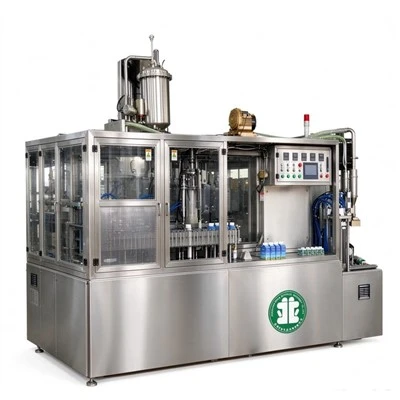
First, let’s kill a common misconception: “food-grade” isn’t a one-size-fits-all certification you can stick on a piece of metal and call it a day. The term gets thrown around for everything from cutting boards to industrial hoses, and for wine equipment, it’s a mix of third-party certifications, material science, and how the machine is designed to function around wine’s unique chemistry. Wine isn’t just water with alcohol—it’s an acidic, sugar-rich, sometimes highly reactive liquid that over time can break down materials that would be fine for, say, soda or water. A machine that works for filling lemonade might corrode in a year when used for pinot noir, and that corrosion isn’t just a safety hazard—it can leave metal shavings, off-flavors, or even allow bacteria to grow, which would ruin an entire batch of wine. That’s why I don’t just sell machines; I spend the first 20 minutes of every sales call asking winemakers about the types of wine they produce, how often they clean their equipment, and whether they handle sparkling wine (which adds its own set of pressure-related challenges).
Let’s start with the most obvious part of any wine filler machine: the materials. 90% of the machine’s wetted parts (the parts that touch wine—think the filling nozzles, the tubing that carries wine from the tank to the bottles, the holding cylinders) need to be something that doesn’t leach chemicals, corrode, or harbor bacteria. The gold standard here is 304 or 316L stainless steel. A lot of suppliers will tell you “stainless steel is food-grade,” but there’s a difference between the two grades. 304 is standard for general food equipment, but wine’s acidity (think pinot grigio’s pH of 3.2 or cabernet sauvignon’s pH of 3.5) can cause it to corrode over time, especially if the machine isn’t cleaned thoroughly. 316L, on the other hand, has molybdenum added to its alloy, which makes it resistant to acid corrosion. That’s the grade I specify for every single wetted part of my machines—no exceptions. I’ve seen too many winemakers go with a cheaper 304 unit, only to find rust spots in the tubing after six months, which forced them to dump a 10,000-case batch of wine because it had a metallic off-flavor. It’s not a cost-saving move; it’s a nightmare.
Then there’s the non-stick coatings, if a machine has them. Some filler nozzles get a PTFE (Teflon) coating to prevent wine from dripping or leaving residue, which cuts down on waste and cleaning time. But not all PTFE is the same, and there are a lot of cheap coatings out there that can flake off over time, especially with the high-temperature cleaning most wineries use (hot caustic solutions, which are standard for sanitizing equipment between batches). I only use coatings that are FDA-approved for food contact, and I test every batch of coating with my own in-house lab before it goes on a machine. A winemaker in Oregon told me last year that a competitor’s coated nozzle flaked into their chardonnay, and by the time they noticed, the wine had already been bottled and shipped to 20 restaurants. They had to pull every bottle, pay for a full recall, and lose three years of distribution deals—all over a $50 difference in nozzle coatings. That’s why I don’t cut corners on coatings.
Next, what about parts that aren’t stainless steel or PTFE? For example, the gaskets that seal the nozzles to the bottles, or the O-rings that control the flow of wine. These are tiny, easy to overlook, but they’re critical. If a gasket is made of regular rubber, it can leach plasticizers into wine, or break down from repeated exposure to alcohol and cleaning chemicals. The only gaskets and O-rings I use are FDA-approved silicone or EPDM (ethylene propylene diene monomer) that’s rated for use with alcohol and food. I had a client in Napa a few years ago who saved $200 on a set of generic gaskets for a last-minute bottling run. By the end of the day, every gasket had cracked, spilling wine all over the floor, damaging the machine’s electrical components, and ruining 200 cases of wine. The replacement machine parts cost them $12,000, plus the lost revenue from the ruined wine. That’s a story I tell every time a winemaker asks about saving a few bucks on parts.
Now, let’s talk about something most people don’t think about: the design of the machine, and how it affects food safety. A wine filler machine isn’t just a pump with a nozzle—it’s a system that has to be easy to clean, because the biggest food safety risk in winery bottling isn’t the materials; it’s the bacteria and mold that can grow in crevices or hard-to-reach parts of the machine. For example, some cheap fillers have tiny, narrow tubing that’s hard to flush out during cleaning. Wine solids (like grape skins or sediment) get stuck in those tubes, and if you don’t scrub them out thoroughly, they can ferment and turn into acetic acid (vinegar) in your next batch of wine. That’s why all my filler machines are designed with smooth, wide tubing, no dead ends, and parts that can be completely disassembled in less than two minutes. I even include a detailed, step-by-step cleaning guide that’s tailored to the type of wine the winemaker uses—no generic instructions. I’ve had winemakers tell me that switching to my machines cut their cleaning time by 40%, and reduced the number of off-flavors from residue by 90%. That’s not just a convenience; it’s a food safety win.
There’s also the role of third-party certifications here, and I want to be clear: not all certifications are created equal. The FDA’s Food Contact Substance (FCS) notification is the big one for U.S. operations—any material that touches food or beverage in the U.S. has to be on the FDA’s FCS list. For winemakers selling in the EU, you need to meet EU 10/2011 regulations for food contact materials. Some suppliers will put a “food-grade” sticker on their machines without any third-party certification, and that’s a red flag. I submit every single material that touches wine on my machines for FDA and EU certification, and I provide full documentation to every client before they even place an order. Last year, a winery in Canada told me they had a problem with a competitor’s filler that wasn’t certified for Canada’s food safety regulations, and they had to pay customs fees to inspect every shipment of wine because of the uncertified machine. Don’t let that happen to you—always ask for proof of certification, not just a marketing line.
I also get asked a lot about sparkling wine fillers, which have extra pressure requirements. Sparkling wine is carbonated, so the filler has to handle pressure without leaking, and without introducing contaminants into the wine. The materials for sparkling wine fillers have to be even more corrosion-resistant, because the pressure can cause tiny gaps to form in parts, which can trap wine and bacteria. I use 316L stainless steel for all sparkling wine filler wetted parts, and I add a second layer of sealing to the gaskets, because sparkling wine’s pressure can cause even the best gasket to leak if it’s not designed for it. I worked with a small sparkling winery in Tasmania a few years ago that was having issues with contamination in their Cuvée—turns out their old filler’s nozzle seals were letting in air, which had mold spores, and that was ruining every 10th batch. Swapping to my sparkling wine filler fixed that problem entirely, and they increased their production by 25% because the machine was more reliable.
Now, let’s address the elephant in the room: what if you have a small winery, or you’re on a tight budget? Can you get a food-grade wine filler without spending $50,000? The short answer is yes, but only if you’re willing to do your research. There are a lot of reputable suppliers who make smaller, tabletop fillers for boutique wineries that use food-grade materials, but you have to look closely. Avoid any machine that doesn’t specify the grade of stainless steel for wetted parts, doesn’t provide certification, or has complex designs with hard-to-clean parts. I sell a line of compact fillers for wineries that produce up to 5,000 cases a year, and they use the same 316L stainless steel and FDA-approved gaskets as my larger machines, just with a smaller capacity. I’ve had winemakers start with these compact fillers and upgrade to my larger, full-capacity models as their business grows, because they know the quality is consistent. The mistake small wineries make is buying the cheapest machine they can find, only to have to replace it in two years because of corrosion or contamination issues. That’s actually more expensive in the long run.
At the end of the day, food-grade for wine filler machines isn’t about checking a box—it’s about protecting your product, your brand, and your customers. A wine is only as good as the last step before it hits the shelf, and if your bottling equipment is introducing something unwanted, all the hard work you put into growing grapes, fermenting, and aging your wine goes to waste. As a wine filler machine supplier, I don’t just sell equipment; I partner with winemakers to make sure their bottling line is safe, efficient, and reliable. If you’re in the market for a new filler, or you’re curious if your current machine meets food safety standards, I’d be happy to walk you through the materials, certifications, and design of our machines, or help you troubleshoot any issues you’re having with your current equipment.
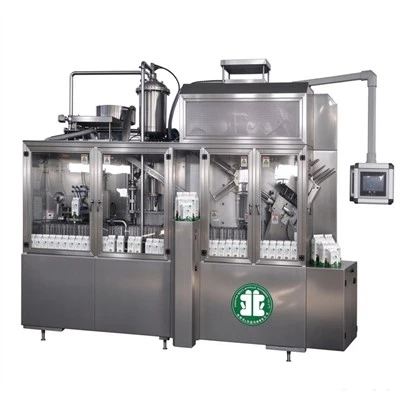
If you’re ready to learn more about how our wine filler machines can support your winery’s needs, feel free to reach out to discuss your specific requirements.
Detergent Filling Machine References
- U.S. Food and Drug Administration. (2023). Food Contact Substances (FCS) Notification Program. Retrieved from FDA.gov
- International Organisation for Standardization. (2021). ISO 22000: Food Safety Management Systems for Food and Beverage Manufacturing.
- Wine Institute. (2022). Best Practices for Winery Bottling Line Sanitation and Equipment Maintenance.
- European Food Safety Authority. (2020). Regulations on Food Contact Materials (EU 10/2011).
Shenyang Beiya Beverage Machinery Co., Ltd.
With abundant experience, we are one of the most professional wine filler machine manufacturers and suppliers in China. If you’re going to buy customized wine filler machine made in China, welcome to get quotation from our factory. For price consultation, contact us.
Address: No.2-1, Tongling Street, Yuhong District, Shenyang City, Liaoning Province, China
E-mail: market@sybeiya.com
WebSite: https://www.chinafilling.com/
