If you work with FEP tubes (which, full transparency, we make right here at our shop), you know how much of a game-changer they are. They’re non-stick, heat-resistant, and don’t leach junk into whatever you’re running through ‘em—perfect for everything from biotech fluid lines to 3D printer hot ends to industrial chemical transfer. But here’s the thing: even tough FEP tubes get gunked up over time. Leftover resin (hello, 3D printer filament residue), chemical buildup, or even just particulate debris can clog lines, mess with flow rates, or even ruin a batch of whatever you’re making. Skip the wrong cleaning method, and you might scratch the tube’s inner wall, break down the FEP material, or leave behind crud that causes contamination. That’s why knowing how to clean FEP tubes right is non-negotiable—especially if you’re using our tubes (shameless plug, but we’ve spent years perfecting FEP’s durability, so we want you to keep it that way). FEP Tube
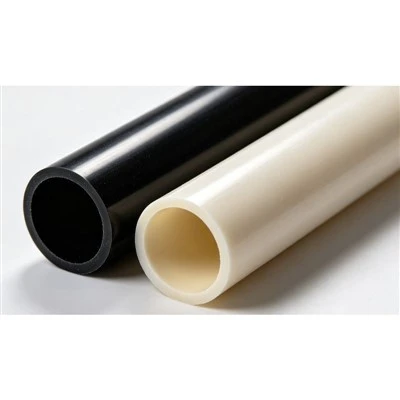
First, let’s kick off with a quick reality check: FEP is hella sturdy, but it’s not indestructible. It’s a fluoropolymer, same as PTFE, but it has a lower melting point (around 260°C, or 500°F) than PTFE, so you can’t blast it with super high heat without warping it. It’s also chemically resistant to most acids, bases, and solvents, but strong stuff like ketones (acetone is fine, but methyl ethyl ketone or MEK) can soften it if you leave it sitting in there too long. And since we make FEP tubes with a smooth, thin inner wall for consistent flow, you don’t want to scuff it—scratches are the perfect place for gunk to hide later.
Before you grab any cleaner or tool, do a quick pre-clean assessment. Grab a flashlight, stick it into one end of the tube, and hold it up to a dark space. Can you see the buildup? Is it loose particulate, or is it cured resin or dried chemical gunk stuck on the wall? That’ll tell you what method works best. For light gunk (like daily 3D printer filament residue or water-based gunk from lab fluid lines), simple warm water and a gentle brush might do the trick. For tougher stuff (cured epoxy, industrial oil, or biotech protein residue), you’ll need a solvent or soak method. And if you’re dealing with something super stubborn? A solid, non-abrasive mechanical clean will get it out without messing with the FEP.
Let’s break down the methods, starting with the easiest and most common one: warm water and a gentle brush. This is your go-to for regular upkeep, no harsh chemicals needed. First, you’ll need a brush that fits the tube’s inner diameter (ID) perfectly. We supply FEP tubes in all sizes—from tiny 1mm ID for microfluidics up to 10mm+ for industrial use—so you can pick a matching brush. Avoid metal brushes here—they scratch the inner wall, which is a big no-no. Grab a nylon bristle brush, the kind made for cleaning water lines or even straws works for small IDs. Dip the brush in warm, soapy water (use a mild dish soap, not something heavy-duty), feed it through the tube back and forth a few times. Rinse with clean warm water, then blow out the excess moisture with compressed air (keep the air pressure low—max 60 PSI, higher can blow the tube out of shape). That’s it for light buildup. We recommend doing this every 1-2 weeks if you’re using the tubes daily, to keep gunk from building up too much.
Next, the soak method for tougher buildup. If the warm water brush isn’t cutting it, soak the tube in a solvent that’s safe for FEP. This is where you have to be careful—don’t just grab any solvent. Acetone is totally fine for short soaks (1-2 hours max) for cured resin like PLA or ABS from 3D printers. For oil-based gunk or industrial residues, isopropyl alcohol (91% or higher, not the 70% stuff—too much water and it won’t work as well) is a safe bet. For protein residue in lab tubes, a gentle alkaline solution (like 10% sodium hydroxide, but only if your tube is rated for chemical exposure—ask our team if you’re unsure!) works. Important rules here: don’t leave the tube soaking longer than 4 hours, no matter the solvent. FEP will soften and get distorted if you leave it in there too long, especially with strong solvents. Also, make sure the tube is completely submerged—you can use a small weight or a clip to hold it down so the whole inner wall touches the solvent. After soaking, use that nylon brush again to scrub the inside, then rinse thoroughly with warm water and blow dry with low-pressure air. We always say test a small scrap of FEP first if you’re using a new solvent—we keep sample scraps on hand for customers, just ask! You don’t want to ruin a whole tube if the solvent reacts weird.
If you’re dealing with something super stubborn that won’t come out with brushing or soaking—like cured epoxy or mineral deposits—mechanical cleaning is your move. But again, no abrasive tools. The go-to here is a non-metallic “push through” cleaner, like a fishing line coated with a soft abrasive pad (microfiber works, too, to avoid scratches). Wait, or even better: use compressed air with a tiny bit of dry ice blasting? No, wait—dry ice is actually safe for FEP, it’s cold enough to freeze gunk and knock it loose without damaging the tube. But if you don’t have that, the easiest DIY mechanical method is to take a small piece of soft, non-scratching material (like a microfiber cloth or a felt pad that’s slightly smaller than the tube’s ID) and thread it through the tube a few times. Don’t pull it too tight—if the cloth bunches up, it can scratch the inner wall. Another trick: for very long FEP tubes (some industrial ones are 10+ feet long), use a long, flexible rod (nylon, not metal) to feed the cleaning material through. Just go slow, don’t force it.
Now, what should you never do when cleaning FEP tubes? Let’s get that out of the way first, because these are the mistakes we see customers make all the time. First, don’t use metal brushes or steel wool—they leave tiny scratches that are breeding grounds for more gunk later. Second, don’t use high heat to clean FEP. I’ve seen people stick a tube in an oven to melt residue, but FEP melts at 260°C, so you’ll warp it beyond repair before you even get to that point. Even a torch is a bad idea—way too hot, can burn holes in the tube. Third, don’t use harsh solvents like MEK or methylene chloride unless you’re 100% sure your FEP grade is compatible. We use specific FEP formulations for different applications, so if you’re using our medical-grade FEP tubes, for example, it’s only rated for food-safe solvents. Fourth, don’t skip drying the tube after cleaning. Moisture left inside can cause mold if you’re using it for liquid applications, or cause filament to stick when you’re using it for 3D printing. We always say air dry in a cool, dry place for 24 hours after cleaning, or blow it out with low-pressure compressed air until it’s totally dry.
Wait, let’s add a pro tip from our own tech team—we deal with FEP tubes every single day, so this is stuff we learned from testing on our own products. If you’re using FEP tubes for 3D printing, you can prevent a lot of gunk in the first place by adding a little PTFE lubricant to the filament before it goes through the tube. It keeps residue from sticking to the inner wall, so you’ll only need to deep clean once every couple of months instead of every week. For biotech applications, we recommend flushing the tube with sterile water after each use, which cuts down on buildup way more than doing a full deep clean once a month.
Now, let’s talk about when to replace your FEP tube, not clean it. No matter how well you clean, FEP tubes will wear out eventually. If you notice cracks, discoloration that won’t scrub off, or the inner wall is permanently scuffed, it’s time for a new tube. We tell our customers to inspect their FEP tubes every 3 months for regular use, because a damaged tube can leak, or even break mid-use, which is a mess.

At the end of the day, cleaning FEP tubes isn’t that hard—you just have to work with the material, not against it. Use gentle tools, pick the right solvent for the buildup, and skip the harsh stuff that can ruin the tube. If you’re not sure what method to use, or you need a specific FEP tube for your application, hit up our team. We’re not just suppliers—we’ve been working with FEP for years, so we can walk you through the best process for whatever you’re dealing with. Whether you need a tiny microfluidics tube or a long industrial one, we’ve got you covered. Just reach out to get the conversation started.
PTFE Tube References:
- "Fluoropolymer Properties and Applications." DuPont Fluoropolymers Technical Guide, 2022.
- "Cleaning Protocols for FEP Tubes in Industrial and Biomedical Applications." Journal of Fluorine Chemistry, vol. 214, 2019, pp. 109-116.
- "Maintenance Guidelines for Thermoplastic Tubing in Fluid Transfer Systems." Industrial Tubing Association (ITA) Technical Report, 2021.
- "Effects of Cleaning Solvents on FEP Material Integrity." Society of Plastics Engineers (SPE) Annual Technical Conference, 2020, pp. 456-462.
BESTYIELD Technology (Huizhou) Co., Ltd.
BESTYIELD Technology (Huizhou) Co., Ltd. is one of the most professional fep tube manufacturers and suppliers in China, featured by quality products and good price. Please rest assured to buy durable fep tube made in China here and get quotation from our factory. Customized orders are welcome.
Address: Yinshan Industrial Zone, Liangjing Town, Huiyang District, Huizhou City, Guangdong Province
E-mail: rick@bestyield.net
WebSite: https://www.bestyield.org/
