If you’re in the tactical gear space—whether you’re a small local law enforcement agency looking to outfit a new patrol unit, a federal contractor sourcing bulk gear for field deployments, or even an independent training outfit putting together gear for civilian and tactical students—you’ve probably hit a roadblock before: you need to get in touch with the actual manufacturer of duty gear, not just a middleman or a retail reseller. As someone who runs a duty gear supply company that’s worked directly with gear factories for over a decade, I’ve fielded thousands of these questions: “Why can’t I buy direct from them?”, “Who do I talk to about custom bulk orders?”, “How do I flag a defective item in a shipment?” Today I’m breaking down the step-by-step, real-world process of contacting a duty gear manufacturer, no filler, no generic tips, just the insight I’ve picked up answering these exact queries for years. Duty Gear
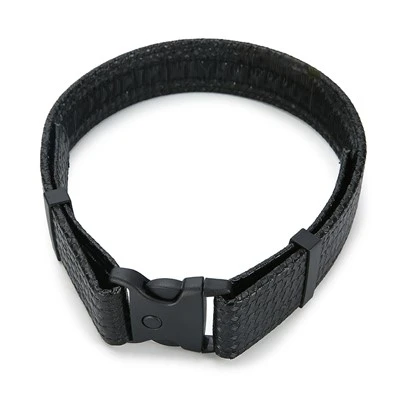
First, let’s get one critical myth out of the way: most duty gear manufacturers don’t list their direct contact info on retail websites. That’s not because they’re hiding—its because 90% of their business is bulk orders for government agencies, large contractors, or authorized distributors, not individual shoppers picking up one holster or set of plate carriers. If you’ve googled “duty gear manufacturer contact” and only found resellers like Amazon, eBay, or big tactical retail sites, that’s normal. Resellers buy from manufacturers and mark up products for small, one-off sales, so their info is what comes up first. Your goal is to cut through that noise to reach the brand that designed and built the gear itself.
Start with the source of your gear, or the gear itself. If you already have a piece of duty gear (say, a service belt, tactical vest, or radio pouch) that you need to contact the manufacturer about—whether it’s a warranty issue, a question about sizing, or a need for matching accessories—pull the tag off the item. Most high-quality duty gear has a permanent, sewn-in or printed tag with a brand name, a model number, and often a basic customer service line or email for warranty claims. That tag isn’t there by accident; it’s the first point of contact directly from the factory. I see too many people skip this and head straight to a reseller when they get a broken gear pouch, which only delays help because the reseller didn’t build the item and has no insight into the materials or construction. For example, if your tag says “XYZ Tactical Gear” and a 1-800 number, that’s the manufacturer’s customer service, not a reseller’s—call that number first, not the site you bought it from.
If you don’t have the item yet, or you’re looking to connect with a manufacturer for a bulk order, skip the retail search entirely and go straight to industry directories. The duty gear space is tightly knit, with specific trade groups that manufacturers participate in. For law enforcement and public safety gear, the National Tactical Officers Association (NTOA) is the big one; other groups like the International Association of Chiefs of Police (IACP) or the American Correctional Association (ACA) also maintain directories of verified duty gear manufacturers. These directories don’t list resellers—only brands that build their own gear, often with factory locations and direct sales contacts for bulk and wholesale business. When I first started my supply company, I used the NTOA directory to connect with a manufacturer that specialized in custom-sized police belts, which was a gap my clients needed. It’s way more reliable than a random Google search, because every brand listed there has verified that they’re the actual manufacturers, not distributors.
Another trick I’ve used for years: check industry event attendee lists. Duty gear manufacturers pour thousands of dollars into trade shows every year—events like SHOT Show (Shooting, Hunting, and Outdoor Trade Show) and IACP Annual Conference are the biggest, but there are smaller, regional shows for public safety and correctional gear that happen across the US every few months. Most manufacturers list their booth number and a dedicated sales contact for those shows on their event page, and these contacts are exclusively for bulk or business inquiries, not individual shoppers. If you’re able to attend one of these events, stopping by a manufacturer’s booth and talking to their sales rep face-to-face is the fastest way to get on their radar, especially if you’re bringing a clear order or project in mind. If you can’t attend, event organizers usually publish attendee contact lists (for registered business attendees, not the general public) that let you reach out to manufacturers pre-show.
Wait—what if you’re looking for a manufacturer that makes a specific type of gear, like body armor, tactical boots, or custom radio pouches, and you can’t find their brand tag or directory listing? That’s when you use product material sourcing as a clue. Most duty gear manufacturers specialize in specific materials or construction standards, because duty gear has to meet strict public safety certifications (NIJ for body armor, POST for law enforcement gear, etc.). For example, if you’re looking for a manufacturer that makes NIJ Level IIIA body armor, you can search the National Institute of Justice’s (NIJ) certified product database. That database lists every manufacturer that produces certified body armor, with direct contact info for their government and sales teams. The same goes for other duty gear: if you need fire-resistant gear, check the National Fire Protection Association (NFPA)’s certified product list, and if you need gear for correctional facilities, the ACA has a certified product directory. This isn’t guesswork—these certifications require manufacturers to be transparent about their production and contact info, so you don’t have to sift through resellers.
Now, a big mistake I see people make when contacting a duty gear manufacturer: not being clear about who they are and what they need. Remember, most of these manufacturers deal with large, complex orders—bulk gear for 500-person police departments, custom designs for federal task forces, long-term supply contracts—so a vague email like “I need duty gear” will get lost in their inbox. Let me give you an example of a good inquiry vs. a bad one. Bad inquiry: “Hi, can I buy a holster from you?” That’s a one-off retail request, which most manufacturers don’t handle, so it’ll get redirected to a reseller. Good inquiry: “Hi, I’m the procurement manager for the Metro City Police Department, and we’re looking to purchase 300 custom-printed duty belts and 250 retention holsters, all compliant with POST standards for our new patrol fleet. Can you share pricing, lead times, and next steps for a bulk order?” That’s specific, shows you’re a legitimate business with a real need, and immediately catches the attention of the sales team that handles business accounts. I’ve closed dozens of accounts just from seeing that level of clarity in an initial message.
What if you’re a small business or even an individual trainer looking for small bulk orders, like 10 duty belts for a civilian tactical training academy? Same rule applies—be specific. Don’t say “I need some gear”; say “I own a tactical training academy with 12 instructors, and we need 10 lightweight, adjustable duty belts for our on-ground training courses, along with lead times and minimum order quantities for small business clients.” Most duty gear manufacturers will have a separate team for small business and bulk orders, so framing your request to target that team gets you in front of the right person.
Let’s also address the most common pain point: defective gear or warranty issues. If you already have a piece of duty gear that’s broken and you need to contact the manufacturer, the process is almost the same as for bulk orders, but with a little extra detail. When you reach out, include the model number (from the tag), the serial number if it has one, when you received the item, and what the defect is. For example: “I purchased Model 123 retention holsters from your brand on 10/15/2023, and half the 25 holsters I received have broken retention straps. Can you send replacement parts or process a return?” Manufacturers keep records of every order they ship, so having that model and order detail on hand means they don’t have to search for your purchase, which speeds up resolution time. Resellers can’t help with this because they don’t have access to the factory’s production logs, so cutting through to the manufacturer is the only way to get a quick fix for a warranty issue.
Now, let’s talk about what not to do. Don’t post in a general Facebook group or Reddit thread asking for a manufacturer’s contact info—9 times out of 10, someone will recommend a reseller that marked up the gear, or worse, a counterfeit brand that sells fake duty gear that doesn’t meet safety standards. Don’t use generic contact forms on retail websites—most of those forms go to a customer service team that only handles order fulfillment for resellers, not direct business inquiries. And don’t lie about who you are to get a direct contact—manufacturers can spot a fake business inquiry within a message, and it’ll get you blacklisted from their contact list, which is a big deal in the small duty gear industry.
At the end of the day, contacting a duty gear manufacturer is all about being intentional and specific. You’re not reaching out to a retail store that sells gear for casual use—you’re reaching out to a brand that designs and builds equipment that law enforcement, military, and public safety professionals rely on to do their jobs, so their contact process is set up for legitimate, business-focused requests. If you’re a supplier like me, connecting with the right manufacturer opens up partnerships that let you offer high-quality, direct gear to your own clients, whether they’re small local departments or large federal agencies. If you’re an end user, contacting the manufacturer means you get genuine support, warranty coverage, and access to custom options that resellers can’t provide.
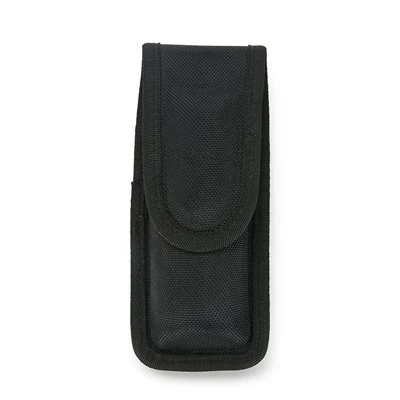
If you’re ready to connect with a duty gear manufacturer for your next project—whether it’s a bulk order for your team, a custom gear design, or support for a piece you already own—reach out directly through your preferred method. Clear, specific inquiries get fast responses, and the right manufacturer will be eager to help you find the gear that fits your needs.
Tactical Belt References:
National Tactical Officers Association Directory of Tactical Equipment Manufacturers
National Institute of Justice Certified Body Armor Product Database
SHOT Show Official Attendee and Exhibitor Listings
International Association of Chiefs of Police Annual Conference Industry Partner Directory
Quanzhou Jinbei Bags Co., Ltd.
As one of the most professional duty gear manufacturers and suppliers in China, we have world-leading production equipment and strong manufacturing capabilities. Please feel free to buy bulk high quality duty gear for sale here from our factory. Customized orders are welcome.
Address: 302, NO. 158-17, EAST DISTRICT, TANDING, HESHI, LUOJIANG , QUANZHOU, FUJIAN, CHINA
E-mail: jinbeibags@126.com
WebSite: https://www.jinbeibags.com/
