What are the standards for the valve packing material of globe valves? If you’ve ever worked with globe valves, you know they’re workhorses in pipelines—controlling flow, regulating pressure, and keeping systems running smooth. But the packing around their stem? That tiny, often-overlooked component is what stops leaks, keeps contaminants out, and prevents costly (even dangerous) shutdowns. As a Globe Valve By Standard supplier, I get asked all the time: “How do you pick the right packing for these valves?” It’s not just grabbing any old seal off the shelf—there are real standards that dictate what works, what doesn’t, and why it matters. Let’s break this down like we’re chatting over a workbench, no stuffy jargon, just the stuff that actually moves the needle. Globe Valve By Standard
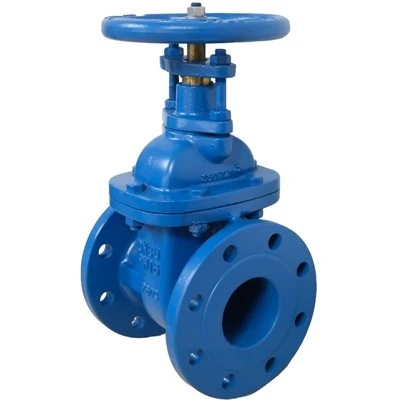
First off, let’s ground this in what valve packing even is. For globe valves, the stem moves up and down to open and close the valve, right? The gap between the stem and the valve’s body is where packing goes—usually a set of rings or braided material compressed by a gland flange. That compression creates a tight seal, but if the packing’s not up to snuff, you get fugitive emissions (those leaks that eat into profits and hurt compliance), stem wear, or even valve failure. So the standards here aren’t arbitrary; they’re built on decades of real-world tests, field data, and industry needs.
One of the big ones people reference is API Standard 607—wait, no, hold on, API Standard 622 and 623 are the main ones for packing. Wait, let’s get that right. API 622 is for packing materials that handle fugitive emissions, specifically for valves in chemical processing, refineries, that kind of heavy-duty work. API 623 is for packing that’s low-emission, often for utilities or general industrial use. But those aren’t the only ones—there’s also ASME PCC-1, which covers how to install and maintain packing, not just what material it is. And don’t forget ISO 15848, the international equivalent for fugitive emissions, which a lot of our global clients care about. Let’s make this relatable: if you’re supplying a globe valve for a fertilizer plant where ammonia is flowing, you can’t use packing that’ll break down when it hits chemical vapor—API 622’s got your back for that. If you’re doing a water line for a municipal water treatment plant, ISO 15848 low-emission might be all you need, but you still have to check the material meets that bar.
Now, what do these standards actually test for? Let’s start with temperature. Globe valves see a huge range: cryogenic (like LNG, super cold) to high heat (like steam in power plants). A lot of packing materials melt or get brittle outside their temp range. For example, traditional asbestos packing was banned ages ago (OSHA, EPA standards, obviously) because it’s toxic, so now we use stuff like graphite, PTFE, aramid fibers. Wait, graphite packing is great for high temps—can go up to like 800°F, right? But if you stick graphite on a cryogenic valve (say, -320°F for LNG), it shrinks and cracks, so that’s a fail. That’s where standards come in: API 622 will specify temp limits for each material tested, so you can’t just guess. As a Globe Valve By Standard supplier, we match packing material to the valve’s service temp based exactly on these test results. No shortcuts here—one client once tried to save a buck by using standard PTFE packing on a high-temp steam globe valve, and within a month, the packing was oozing, we had to do a rush replacement. That’s the kind of mess standards are there to prevent.
Next, pressure. Globe valves handle different line pressures, too—some low-pressure for irrigation, some 1500# for oil drilling. Packing has to withstand the pressure without extruding—when high pressure pushes the soft packing material out of the gland gap. Standards like API 623 test extrusion resistance by subjecting packing to a set pressure and checking if it deforms. PTFE is good for low to medium pressure, but at high pressure, you need a reinforced PTFE (with braided glass or carbon) or even graphite. I’ve seen a lot of guys try to use plain PTFE on a 900# globe valve, and within a few cycles, the stem is scored from the packing being squeezed out—total waste of a good valve, and you’re back to square one. Standards make sure you pick packing that doesn’t do that.
Then there’s chemical compatibility. This is huge if your valve is handling corrosive stuff—acids, solvents, brine. Graphite is inert against most chemicals, but aramid fibers? They break down in strong acids. PTFE is great for most acids, but some hot solvents can soften it. API 622 includes chemical resistance testing, where they expose packing to the process fluid (or a simulant) for a set time, then check for weight loss, cracking, or brittleness. Our Globe Valve By Standard line labels every valve with the recommended packing material based on service fluid, because we’ve learned the hard way that mismatched materials lead to callbacks. Last year, a food processing client reached out because their globe valve packing was breaking down in citric acid—we swapped out their standard PTFE for a chemical-resistant PTFE blend, and no issues since. That’s not luck, that’s sticking to the standard’s chemical resistance specs.
Fugitive emissions is another big one these days—regulations are tightening everywhere, from the EPA in the US to EU’s REACH. Standards like API 622 Type B require that packing doesn’t leak more than a tiny amount of volatile organic compounds (VOCs) over thousands of cycles. A lot of older packing would leak just enough to trigger regulatory fines, so these standards force manufacturers to use materials that seal tight without getting worn out. As a Globe Valve By Standard supplier, all our high-performance valves come with API 622-certified packing because we know our clients don’t want to deal with compliance headaches. Even if you’re in a less regulated area, fugitive emissions cost money—lost product, maintenance time—so it’s just smart to follow the standard here.
Wait, let’s not forget installation. The best packing in the world is useless if you mess up installing it. ASME PCC-1 is the standard that covers how to pack a valve correctly—how many rings to use, how much torque to apply to the gland bolts, how to break it in. For example, if you over-tighten the gland, you’ll wear the stem prematurely and cause the packing to harden; under-tighten, and it leaks. We train all our clients (and their maintenance teams) on the basics of PCC-1 when they buy a globe valve from us, because we want it to work as intended for years. I’ve heard too many stories of guys “cranking down on the gland to stop a leak” and ruining a perfectly good valve—again, standards are here to keep that from happening.
What about common mistakes people make with packing standards? Let’s list ’em, because that’s where a lot of guys go wrong. First, assuming all “PTFE packing” is the same. There’s virgin PTFE, filled PTFE, expanded PTFE—each has different temp, pressure, and chemical limits. The standard tells you which fillings work for which service. Second, ignoring cryogenic services—most general packing doesn’t work below -100°F, so if you’re handling LNG or liquid nitrogen, you need packing tested for low temps. Third, using old asbestos packing (illegal in most places, but some sketchy suppliers still try to pass it off)—don’t do it, the standards ban it for a reason. Fourth, not checking the standard’s revision—like, API 622 was updated in 2018, and the old 2004 version has different emission limits, so you have to make sure you’re using the latest revision.
As a Globe Valve By Standard supplier, we test every valve’s packing to make sure it meets the right specs, no cutting corners. We don’t sell a “one-size-fits-all” valve, because that’s not how the industry works. When you’re sourcing globe valves for your project, here’s a quick checklist to make sure you’re hitting the standards: 1) Match packing material to your service temp, pressure, and fluid (check API 622/623, ISO 15848); 2) Make sure the packing is certified for fugitive emissions if required; 3) Plan for proper installation per ASME PCC-1. If you skip any of these, you’re setting yourself up for leaks, downtime, and extra costs.
Now, let’s get personal here. I’ve been in the valve game for 15 years, started as a tech on the floor, worked my way up to being a supplier, and I’ve seen firsthand what happens when you ignore packing standards. I once had a client in a refinery who saved $200 on packing for their globe valves—within three months, they had three leaks, had to shut down a section of the pipeline, cost them $50k in lost production. That $200 savings turned into a huge loss. So for us, as a Globe Valve By Standard supplier, it’s not just about selling valves—it’s about making sure our clients pick the right packing, meet the standards, and keep their operations running. The standards aren’t just paperwork—they’re a shield against avoidable problems.

At the end of the day, the packing material for globe valves isn’t something you can overlook. It’s the seal that keeps your process safe, compliant, and profitable. The standards that govern it—API 622, API 623, ASME PCC-1, ISO 15848—aren’t just technical hoops; they’re decades of experience, testing, and problem-solving packed into a few documents. If you’re not sure which standard applies to your globe valve packing, or you need a valve that’s built to meet those specs, don’t guess. Reach out to us to connect for a procurement discussion. We’ll walk you through the material options, test data, and make sure you get exactly what your project needs—no jargon, no fine print, just solid globe valves and packing that sticks to the standards. It’s not rocket science, but it’s the kind of attention to detail that keeps your pipeline moving.
Lift Check Valve References:
- API Standard 622, Type B: Specification for Performance of Valve Packing Materials for Fugitive Emission Applications, American Petroleum Institute
- API Standard 623: Specification for Valve Packing for General Industrial Use, American Petroleum Institute
- ASME PCC-1: Guidelines for Pressure Boundary Bolted Joint Assembly, American Society of Mechanical Engineers
- ISO 15848-1: Industrial Valves—Fugitive Emissions—Part 1: Test Methods and Acceptance Criteria for Emission Levels, International Organization for Standardization
Yantai Valtone Valve Co., Ltd.
As one of the most professional globe valve manufacturers and suppliers in China, we have world-leading production equipment and strong manufacturing capabilities. Please rest assured to buy bulk durable globe valve for sale here from our factory. We also accept customized orders.
Address: No. 13, Wuhan street, Bajiao industry park, Yantai ETDZ, Shandong, China.
E-mail: liujun@valtone-valve.com
WebSite: https://www.valtonevalve.com/
