If you’re reading this, chances are you’re on the hunt for a steel warehouse supplier that doesn’t cut corners, delivers when they say they will, and actually understands that your business relies on them to show up—no games, no excuses. Let me cut to the chase: I’ve been in the steel warehouse game for over a decade, and I’ve seen way too many buyers get burned by suppliers who look good on paper but collapse the second you have a big order or a last-minute change. So today, I’m pulling back the curtain on exactly how to pick a reliable steel warehouse supplier, straight from the perspective of someone who’s actually in the thick of this every single day. No stuffy jargon, no generic advice—just real, actionable stuff that’s helped me (and my clients) avoid headaches for years. Steel Warehouse
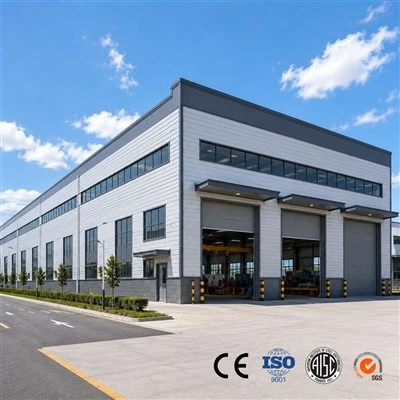
First off, let’s talk about the first red flag most buyers miss: not verifying their actual capacity, not the number they pull off a website. I can’t tell you how many times a client has come to me after being ghosted by a supplier who “guaranteed 5,000 tons a month” but only had space for 2,000. How do you call BS on that? Easy—don’t ask for a vague capacity number. Ask for their warehouse specs: square footage, vertical storage space (super important for steel, since you’re not just stacking it flat), number of loading docks, and most importantly, their current utilization rate. Any real supplier will tell you exactly how full they are right now. If they hem and haw, or say “we can adjust,” run—they’re either lying or don’t have the actual physical space to back up their promises. For example, last year a construction company reached out to me panicking because their previous supplier only had half the space they needed for a 10,000-ton beam order, and they’d missed their project deadline because of it. We not only had the empty space but also a dedicated team to move the beams in a week, no delays. That’s the kind of clarity you should demand from day one.
Next up, track record that’s not just a 5-star Google review. Let’s be real—anyone can buy a bunch of fake reviews these days, right? So forget just scrolling to the 5-star section. Dig deeper: ask for references from businesses that are similar to yours. If you’re a structural steel supplier for small construction firms, don’t take a reference from a massive shipbuilder—their needs are totally different. And when you call those references, don’t ask “are they good?” Ask specific questions: “Did they deliver the full order on time, every time?” “What happened when there was a supply chain hiccup or a last-minute change?” “Did their pricing stay consistent, or did they hit you with hidden fees?” I had a client last quarter who’d used a supplier that quoted a low price then added $20,000 in “storage adjustment fees” at the end. When I checked their references, that same complaint came up three times. Reliable suppliers don’t nickel and dime you—they include all costs in the initial quote, no fine print. Oh, and another thing: ask how they handle inventory discrepancies. Steel is heavy, it’s easy to miscount if you’re using old-school handwritten logs. My team uses a digital inventory management system that lets clients track every single ton in real time—they can log in any day and see exactly where their steel is, how much is in stock, and when it’s scheduled to ship. No surprises there.
Wait, let’s not skip the most important part for steel specifically: their handling and storage expertise. Steel isn’t like storing boxes of office supplies. If you drop a steel beam wrong, it bends. If you leave it out in rain and humidity for too long, it rusts. Both of those things are huge dealbreakers—they make the steel unusable, and you’re on the hook for millions in lost materials. So when you’re vetting a supplier, go see their warehouse for yourself if you can. Look at how they store different grades of steel—do they separate structural steel from sheet steel so it doesn’t scratch? Do they have covered storage for material that can’t get wet? Do their forklift operators look like they actually know what they’re doing, or are they speeding around and swerving? I’ve walked into warehouses where they stack steel sheets so high they’re sticking out over the loading dock, waiting to fall and ruin a whole batch. That’s not a supplier you want. My team trains every employee on OSHA’s steel handling standards, and we’ve had the same safety manager for 8 years—turnover in this space is usually a sign of a company that cuts corners, so low turnover is a good sign. Also, ask about their rust prevention process: do they coat steel with a protective layer right after it arrives, or do they leave it exposed? That’s a small detail that makes a massive difference for the lifespan of your material.
Pricing is another area where a lot of buyers go wrong—they just pick the lowest quote, but that’s the worst move you can make. Wait, hear me out. A quote that’s 10% lower than everyone else’s is almost always missing something. Either they’re using cheap labor to handle the steel (which leads to damage), or they’re only storing material part-time so they charge you less but can’t guarantee availability, or they’re shipping from a warehouse across the country which adds hidden freight costs later. Reliable pricing is transparent. It should include: the cost of storing the steel, labor for loading and unloading, insurance in case something gets damaged, and any administrative fees. No “we’ll call you back with extra charges” later. For example, last month a client showed me a quote from a supplier that was $5 per ton lower than mine, but when I broke down the numbers, their quote didn’t include insurance—meaning if a forklift dropped a whole stack of their steel, the client would be on the hook for replacing it. My quote included that insurance, plus 24/7 security for the warehouse, so the client actually saved money in the long run. Also, avoid suppliers that lock you into long contracts out of the blue. We don’t do that—our contracts are month-to-month, because we’re confident in our service and we want our clients to stay because we’re good, not because they’re stuck.
Oh, and let’s talk about communication. This is the make-or-break for most businesses. Have you ever tried to reach your previous supplier at 3 PM on a Friday and got a voicemail that didn’t get returned until Monday? That’s not acceptable, especially when you have a project deadline looming. Reliable steel suppliers have a dedicated account manager you can reach anytime, not just a generic sales rep who disappears after you sign the contract. My clients have my cell phone number, and if I’m not available, my team of account managers is on call 24/7 for urgent issues. Last year, one of my clients had a crane breakdown on a Saturday and needed to move 20 tons of steel first thing Monday morning. I got the call at 8 PM Saturday, coordinated with the forklift team, and we had the steel loaded and ready to go by 7 AM Monday—no delays, no extra emergency fees. That’s the kind of responsiveness you need when time is money in construction, manufacturing, or any industry that uses steel. If a supplier only works 9-5 Monday to Friday, they’re not a reliable partner—they’re just a storage facility that can’t handle real-world problems.
Wait, one more thing: flexibility for last-minute changes. No project goes 100% according to plan, right? Maybe your client pushes the delivery date back a week, or you need to split a big order into two separate shipments, or you have to add a small amount of extra steel at the last minute. A reliable supplier will roll with those changes, not hit you with a “change order fee” or refuse to adjust. I’ve had clients call me at 4 PM on a Friday and say they need to add 3 tons of angle iron by Monday morning because of a last-minute design tweak. We had the material in stock, a team ready to load it, and delivered it first thing Monday—no hassle, no extra charge. If a supplier acts like any change is a major inconvenience, they’re not invested in your success, and they’re not going to be there when you need them most.
So let’s wrap this up, because I know you’re busy. To recap, when you’re selecting a steel warehouse supplier, don’t fall for the pretty website or the low first quote. Verify their actual physical capacity with concrete specs, not fluff. Check references for specific, recent pain points, not generic praise. Go see their warehouse in person to check how they handle and store steel—look for safety, organization, and attention to detail. Demand transparent, all-inclusive pricing with no hidden fees. Make sure they have a dedicated, responsive team that’s available when you need them, not just during 9-5. And finally, pick a supplier that’s flexible and cares about your project as much as you do.
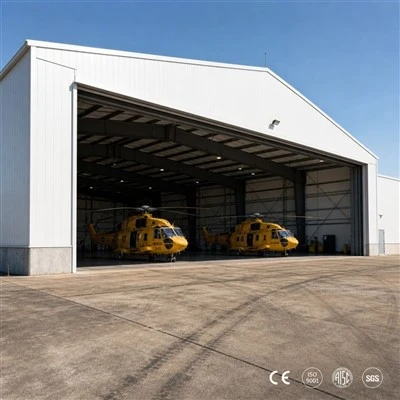
If you’re tired of working with a steel supplier that drops the ball, or you’re starting a new project and need a partner you can count on, reach out to us anytime. We’re here to help with your storage needs, big or small, no games, no hidden fees, just reliable service that keeps your projects on track.
Aircraft Hangar References
- Occupational Safety and Health Administration (OSHA). (2023). Steel Storage and Handling Standards for Warehouses. Retrieved from OSHA.gov
- National Association of Steel Distributors (NASD). (2022). Best Practices for Steel Warehouse Management and Client Service. Retrieved from NASD.org
- Supply Chain Digest. (2023). Common Pitfalls in Choosing Industrial Storage Suppliers and How to Avoid Them. Retrieved from SupplyChainDigest.com
Liaoning Zhongbei Steel Structure Engineering Co., Ltd.
Liaoning Zhongbei Steel Structure Engineering Co., Ltd. is one of the most professional steel warehouse manufacturers and suppliers in China, also supports customized service. We warmly welcome you to buy advanced steel warehouse made in China here from our factory. Also, quotation is available.
Address: No. 239 – 1, Shenbei West Road, Yuhong District, Shenyang, Liaoning.
E-mail: Info@cnssgroup.cn
WebSite: https://www.cnssprefabbuildings.com/
