If you’re like most yogis (okay, maybe me too) who’ve got a closet full of high-waisted leggings, twist-front tops, and those weirdly perfect sports bras you can’t buy in just any old store, you’ve probably stared at a crumpled pile of yoga wear at some point. Maybe you stuffed your mat and outfit into a gym bag after a 6am flow, forgot about it for two days, and found a sweaty, misshapen mess that smelled like week-old lavender and regret. As someone who’s spent years making yoga gear (yep, I’m on the supplier side of this, not just a random yoga nerd rambling), I’ve learned that how you store your activewear isn’t just about keeping your closet neat—it’s about making those pieces last longer, save you money, and even keep them smelling way fresher. Let’s cut the fancy laundry jargon and get real about what works. Yoga Wear

First off, let’s talk about the basics: what your yoga wear is made of, because that changes everything. Most of the good stuff (the stuff we actually sell) uses synthetics like polyester, nylon, spandex, or those fancy blends with recycled fabric. Those materials are stretchy, moisture-wicking, and quick-drying, but they’re also prone to a few things: they hold odors way easier than cotton, they get stretched out if you hang them wrong, and they can pill like crazy if you’re not careful. I see so many customers return leggings a few months in because the waistband is saggy or the fabric looks fuzzy—9 times out of 10, it’s not a flaw in the design, it’s how they’re storing (or not storing) them.
Let’s start with the immediate post-yoga step, because that’s where a lot of people mess up. You finish a hot yoga class, you’re dripping, you yank your gear off, and you either toss it straight into a gym bag or stuff it at the bottom of a laundry hamper. Big no-no. That warm, damp environment is a bacteria party. Those little buggers multiply fast, leading to that stale, “I’ve been wearing this since Monday” smell no amount of fabric softener can fix. My rule? Hang or lay your yoga pieces out to air as soon as you’re done. If you don’t have time right away (like if you’re rushing to work), throw them into a mesh laundry bag—not the dark, airtight plastic one you use for wet swimsuits. Mesh lets air circulate, so they don’t get that moldy mildew smell. And for the love of downward dog, don’t leave your mat rolled up tight for days! Unroll it, prop it against a wall, and let it dry completely before rolling it back up. I’ve seen so many mats get warped or develop a weird rubbery smell because they were stored rolled up damp—waste of good money, right?
Next, the actual storage part when you’re not wearing them. Let’s break this down by piece, because not all yoga wear is the same.
Leggings and joggers: I know folding them is the easiest, and a lot of people just stack them in a pile. But if you stack them too high, the waistbands on the top ones can stretch out. What I do (and what we recommend to all our customers) is roll them instead. Wait, hear me out—rolling saves space, prevents wrinkles, and keeps the waistband intact. How? Lay the legging flat, smooth out any bumps, fold one leg over the other, then roll from the waistband down to the ankle. Tuck the little ankle part into the roll, and it stays tight like a little burrito. No creases, no stretched waist. If you’re a fan of drawer dividers, this works way better than folding too—you can fit way more rolls in a small space. And if you really hate rolling? Fold them neatly, stand them up on edge like you’re organizing books, not stack them flat. That way, no weight is pulling down on the waistband. Oh, and one thing: don’t hang leggings over a regular hanger! The narrow shoulder of a hanger will stretch the waistband out permanently. If you absolutely must hang (maybe you’re short on drawer space), use a wide, padded hanger or clip hangers for the cuffs. Way better for the fabric.
Tops and sports bras: Sports bras are the worst when it comes to storage, right? The underwires (if they have them) can get bent, the cups can lose their shape, and the elastic bands stretch out if you don’t store them right. Never, ever hang sports bras on their straps! That stretches the straps out so fast. For bras: if you have drawer space, lay them flat, cup to cup, fold the band in, or stack them with the cups facing each other (no pressing down on the cups, though). If you do want to hang, use a hanger with clips—clip the band, not the straps. For tank tops and twist-front tees? Roll them too! Or fold them so the seams line up, so they don’t get all lumpy when you pull them out. A lot of people hang tank tops on regular hangers, but again, the straps stretch. I learned this the hard way when my favorite racerback top went from fitting tight to looking like a crop top for a toddler. Don’t be me.
Mats and props: Your yoga mat is basically your sidekick, so store it right. If you don’t roll it tight, it can get creases that are annoying to work around, but rolling it too tight for weeks on end warps the edges. The sweet spot? Roll it tight enough to stand up, but not so tight that it’s hard to unroll. Props like blocks and straps? Keep them in a mesh bag or a dedicated yoga bag—don’t just leave them on the floor where they can get scuffed or lost. And if you have a cork mat? Don’t store it in a damp place, because cork can mold if it stays wet. We have a ton of customers who swear by storing their cork mats hanging on a wall hook, propped up so all sides get air. No warping, no mold, easy to grab when you need it.
Now, what about cleaning before storage? I know this seems obvious, but I’ve seen people store clean, dry gear, and also people who just cram dirty gear away because they “don’t have time to wash it.” Let’s be clear: even if you only wore your leggings for a walk or a light flow, sweat and body oils build up over time, and when you store them damp (even just a little bit), bacteria grow. We get so many questions about washing yoga wear—skip the fabric softener! It coats the fabric’s moisture-wicking properties, so your gear won’t dry as fast next time. Use a mild detergent, wash on cold (hot water breaks down spandex over time), and skip the dryer if you can. Line drying is best, right on a clothesline or a drying rack. The dryer’s heat breaks down the elastic and fabric, leading to saggy waistbands and pilling. If you have to use the dryer (no judgment, I hate hanging stuff in winter), use the lowest heat setting and take it out as soon as it’s dry. That tiny bit of extra effort saves your gear months of life.
Wait, what about special cases? Like when you’re traveling with yoga wear? A lot of people hit the road for a retreat, and stuffing 5 pairs of leggings into a suitcase leads to wrinkles and stretched out bras. My tip: roll them, put them in a packing cube—specifically a mesh packing cube, so air can circulate. For sports bras, you can stuff a small sock into the cups to keep their shape, so they don’t get squished in the suitcase. Way better than just tossing them loose. And if you’re going to be gone for more than a week, don’t wash all your gear right before you leave—let it dry completely, store it in a mesh bag in your suitcase, so it doesn’t get musty on the trip.
Now, let’s talk about common mistakes I see all the time, because I’m on the supplier side and I hear these questions nonstop. First mistake: storing your yoga gear in a plastic bin. Plastic traps moisture, even if you think your gear is dry. If you need to use a bin (like for off-season storage), line it with a cotton sheet or a mesh bag, so air can get in. Second mistake: piling all your gear together, clean or dirty. Mixing clean and dirty leads to odor transfer and faster breakdown of fabric. Third mistake: not sorting your gear by type. If you keep all your tops in one drawer and leggings in another, you don’t have to rummage around and stretch out your waistbands or ruin your bras.
Here’s the thing: we make yoga wear to last, but only if you take care of it. The pieces we sell are designed to hold up through 100+ classes, but if you cram them into a plastic hamper for a week, stack them flat in a drawer, and dry them on high heat, they won’t last as long as they should. It’s not about being a neat freak—it’s about getting your money’s worth, and keeping your favorite gear smelling and feeling good for as long as possible.
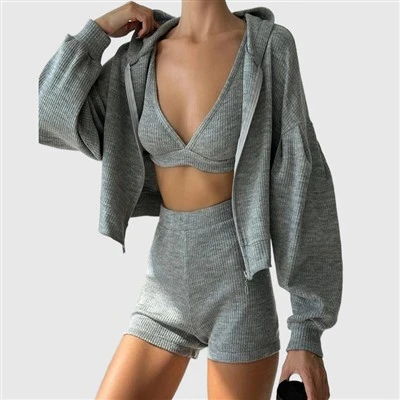
If you’re someone who’s stocking up on new yoga wear (or replacing the gear that’s seen better days), we’ve got a bunch of styles that are built for storage too—wide waistbands that don’t sag, fabric that resists pilling, bras that keep their shape even after months of rolling and hanging. If you have questions about what works best for your storage routine, or you’re a studio owner looking to stock gear for your students, we’re here to help. Hit us up to chat about how we can fit your needs, whether you’re buying a few pieces for yourself or ordering in bulk for your community.
Yoga Wear for Bottom References:
- American Cleaning Institute. (2022). Caring for Synthetic Activewear. Retrieved from industry textile care resources
- Yoga Journal. (2021). How to Extend the Life of Your Yoga Mat and Activewear. Retrieved from wellness gear maintenance guides
- Textile Research Journal. (2020). Effects of Storage Conditions on Elastic Fabrics in Athletic Apparel. Retrieved from fabric care and durability studies
Faust Garment Co., Ltd.
As one of the most professional yoga wear manufacturers and suppliers in China, our products have good reputation in the market. We warmly welcome you to buy high quality yoga wear made in China here from our factory. Also, custom service is available.
Address: 6th Floor, North Wing of Hengxin Building, No.9, Chifeng Road, Quanzhou City, Fujian, China.
E-mail: Kathywang@faustgarment.com
WebSite: https://www.faustsport.com/
