Hey there! I’m a supplier of PP plastic drums, and I often get asked about how to ensure the tightness of the drum lids. It’s a crucial aspect, especially when you’re transporting or storing all sorts of substances. Tight lids prevent leaks, spills, contaminations, and they also help keep the contents in good condition. So, in this blog, I’m gonna share some tips and tricks on keeping those PP plastic drum lids nice and tight. PP Plastic Drum

Understanding the Basics of PP Plastic Drums and Their Lids
First off, let’s talk a bit about the materials. PP, or polypropylene, is a popular choice for plastic drums. It’s tough, resistant to chemicals, and can withstand a fair amount of wear and tear. The lids are usually made of the same material or a compatible one. They come in different types – screw – on lids, snap – on lids, and some with special gaskets.
The tightness of the lid depends on a few factors. The quality of the drum and the lid is super important. If the drum or the lid is damaged, cracked, or has uneven edges, it’s gonna be hard to get a tight seal. Also, the design of the lid matters. Screw – on lids, for example, rely on the threads to create a seal. If the threads are worn out or not properly aligned, the lid won’t close tightly.
Pre – Installation Checks
Before you even try to put the lid on the drum, you gotta do some checks. First, examine the drum. Look for any cracks, dents, or rough edges around the opening. If you find any, it might be a good idea to replace the drum or at least try to smooth out the rough parts. A damaged drum won’t be able to form a proper seal with the lid.
Next, check the lid. Look at the gasket (if it has one). The gasket is a rubber or plastic ring that helps create a tight seal. Make sure it’s in good condition, without any cuts, tears, or signs of wear. If the gasket is damaged, it won’t do its job, and you’ll end up with leaks. You can usually replace the gasket if it’s not in good shape.
Also, check the threads on screw – on lids. They should be clean and free of any debris. If there’s dirt or grime on the threads, it can prevent the lid from screwing on tightly. You can use a clean cloth or a brush to wipe the threads clean.
Proper Installation Techniques
Now, let’s get to the actual installation of the lid. If you’re using a screw – on lid, start by aligning the threads on the lid with the threads on the drum. Don’t force it at an angle; it should fit smoothly. Then, start turning the lid clockwise. Use a gentle, even pressure. Don’t go too fast or apply too much force right away, as it can strip the threads.
As you’re turning the lid, it’s a good idea to alternate the pressure on different sides of the lid. This helps ensure that the lid is seated evenly. Keep turning until you can’t turn it anymore by hand. If you need to, you can use a lid wrench for that extra bit of tightening. But be careful not to over – tighten, as it can damage the threads or the lid itself.
For snap – on lids, make sure the drum opening is clean and dry. Place the lid on top of the opening and press down firmly all around the edge. You should hear a "snap" sound when it’s properly seated. Check to make sure there are no gaps between the lid and the drum.
Using Additional Sealing Methods
Sometimes, just relying on the lid’s design isn’t enough. You can use additional sealing methods to enhance the tightness. One option is to use a sealing tape. There are special tapes available that are designed for use with plastic drums. You can wrap the tape around the junction of the lid and the drum. Make sure to apply it evenly and press it down firmly to create a good seal.
Another option is to use a sealant. There are food – grade and chemical – resistant sealants that you can apply to the gasket or around the lid. Just follow the manufacturer’s instructions on how to apply it. The sealant can fill in any small gaps and provide an extra layer of protection against leaks.
Storage and Handling Considerations
Once you’ve got the lid on tight, how you store and handle the drum also matters. Store the drums in a cool, dry place. Extreme temperatures can cause the PP plastic to expand or contract, which might affect the tightness of the lid. If it’s too hot, the plastic might soften, and the lid might not stay as tight. If it’s too cold, the plastic can become brittle and crack.
When moving the drums, be gentle. Rough handling can jostle the lid loose. If you’re stacking the drums, make sure they’re properly aligned and supported. A stack that’s not stable can put pressure on the lids and cause them to loosen.
Regular Maintenance and Inspections
Regular maintenance and inspections are key to ensuring the long – term tightness of the lids. Every now and then, check the lids for signs of wear, damage, or looseness. If you notice any issues, address them right away. Replace a damaged lid or gasket as soon as possible.
Clean the drums and the lids regularly. Dirt and debris can build up over time and affect the seal. You can use a mild detergent and water to clean them, and then dry them thoroughly before putting the lid back on.
Conclusion
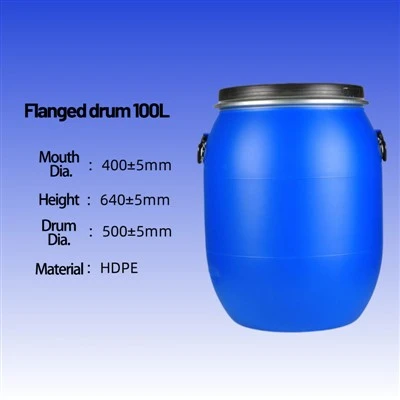
Ensuring the tightness of a PP plastic drum lid is a combination of proper pre – installation checks, correct installation techniques, using additional sealing methods if needed, and good storage, handling, and maintenance practices. By following these steps, you can minimize the risk of leaks and spills, and keep your contents safe and secure.
1200L IBC Tank If you’re in the market for high – quality PP plastic drums and need more advice on lid tightness or any other related issues, don’t hesitate to reach out. We’re here to help you find the best solutions for your storage and transportation needs. Let’s have a chat and see how we can work together!
References
- Plastic Packaging Materials Handbook, various industry experts
- Polypropylene: Properties and Applications, academic research papers on polymer science
Jiangsu Xinhuasheng Packaging New Materials Co., Ltd.
Jiangsu Xinhuasheng Packaging New Materials Co., Ltd. is one of the most professional pp plastic drum manufacturers and suppliers in China, featured by quality products and low price. Please rest assured to wholesale durable pp plastic drum in stock here and get quotation from our factory. Customized orders are welcome.
Address: No. 5 Tieta Road, Industrial Park, Guyang Town, Dantu District, Zhenjiang City, Jiangsu Province, China.
E-mail: manager@jsxhsgs.com
WebSite: https://www.xhsibc.com/
