As a supplier of chemical woven bags, I understand the critical role these bags play in the chemical industry. Chemical woven bags are not just simple containers; they are designed to ensure the safe storage and transportation of various chemicals. In this blog, I will share some insights on how to optimize the design of chemical woven bags, drawing from my years of experience in this field. Chemical Woven Bags
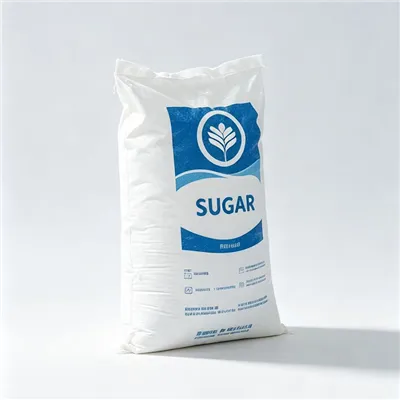
Material Selection
The first step in optimizing the design of chemical woven bags is choosing the right materials. Different chemicals have different properties, such as corrosiveness, reactivity, and volatility. Therefore, the materials used for the bags must be able to withstand these properties.
For most chemical applications, polypropylene (PP) is a popular choice. PP is known for its excellent chemical resistance, high tensile strength, and low cost. It can resist a wide range of chemicals, including acids, alkalis, and organic solvents. However, for more aggressive chemicals, such as concentrated sulfuric acid or hydrofluoric acid, special materials may be required. For example, fluoropolymer coatings can be applied to the PP fabric to enhance its chemical resistance.
In addition to chemical resistance, the material’s mechanical properties are also important. The bags need to be strong enough to withstand the weight of the chemicals and the stresses during handling and transportation. The thickness and density of the woven fabric can be adjusted to meet the specific requirements. For heavy – duty applications, a thicker and denser fabric may be used, while for lighter loads, a thinner fabric can be selected to reduce costs.
Structural Design
The structural design of chemical woven bags is crucial for their functionality and safety. There are several aspects to consider in the structural design.
Bag Shape
The most common shapes of chemical woven bags are rectangular and square. These shapes are easy to stack and store, which is important for efficient use of space in warehouses and transportation vehicles. However, for some special chemicals or applications, other shapes may be more suitable. For example, circular bags can be used for chemicals that need to be stored in a more stable and balanced way.
Sealing Design
Proper sealing is essential to prevent the leakage of chemicals. There are different types of sealing methods available, such as heat sealing, stitching, and adhesive sealing. Heat sealing is a popular choice because it provides a strong and reliable seal. It can be used for both the top and bottom of the bag. Stitching is another option, especially for bags that need to be opened and closed multiple times. Adhesive sealing can be used in combination with other methods to enhance the sealing performance.
Reinforcement
To improve the strength and durability of the bags, reinforcement is often required. Reinforcement can be added to the corners, edges, and handles of the bags. For example, using double – stitched seams at the corners can prevent the bags from tearing under stress. Reinforced handles can make it easier to lift and move the bags, especially when they are filled with heavy chemicals.
Safety Features
Safety is the top priority when it comes to chemical woven bags. Several safety features can be incorporated into the design.
Anti – Static Design
Many chemicals are flammable or explosive, and static electricity can be a major hazard. To prevent static build – up, anti – static agents can be added to the woven fabric. These agents can dissipate static charges and reduce the risk of fire or explosion. In addition, anti – static coatings can also be applied to the surface of the bags.
UV Resistance
Chemical woven bags are often exposed to sunlight during storage and transportation. UV rays can cause the degradation of the bag material, reducing its strength and durability. To protect the bags from UV damage, UV stabilizers can be added to the fabric. These stabilizers can absorb or reflect UV rays, extending the lifespan of the bags.
Leak Detection
In case of a leak, it is important to detect it as early as possible. Some chemical woven bags can be designed with leak detection features, such as a clear window or a special indicator. The clear window allows for visual inspection of the contents, while the indicator can change color when it comes into contact with the leaked chemical.
Environmental Considerations
In today’s world, environmental protection is becoming increasingly important. As a chemical woven bag supplier, we should also consider the environmental impact of our products.
Recyclability
Polypropylene is a recyclable material, which means that chemical woven bags made of PP can be recycled after use. We can encourage our customers to recycle the bags and provide them with information on how to do it. In addition, we can also explore the use of recycled materials in the production of new bags to reduce the consumption of virgin materials.
Biodegradability
Although polypropylene is not biodegradable, there are some new materials being developed that are biodegradable. We can keep an eye on these new materials and consider using them in our products in the future. Biodegradable chemical woven bags can reduce the environmental impact, especially when they are disposed of in landfills.
Customization
Every customer has different requirements for chemical woven bags. Therefore, customization is an important aspect of optimizing the design.
We can offer customized solutions based on the specific needs of our customers. This includes the size, shape, color, and printing of the bags. For example, some customers may need bags with a specific capacity, while others may require bags with their company logo printed on them. By providing customized solutions, we can better meet the needs of our customers and improve their satisfaction.
Conclusion
Optimizing the design of chemical woven bags requires a comprehensive consideration of material selection, structural design, safety features, environmental considerations, and customization. By paying attention to these aspects, we can produce high – quality chemical woven bags that meet the needs of our customers and ensure the safe storage and transportation of chemicals.
Flood Control Sandbags If you are in the market for chemical woven bags, I invite you to contact us for a detailed discussion. Our team of experts is ready to provide you with the best solutions based on your specific requirements. We look forward to working with you to meet your chemical packaging needs.
References
- "Handbook of Chemical Resistance" by Carl A. Harper
- "Plastics in Packaging Applications" by Rosato’s Plastics Encyclopedia and Dictionary
- "Packaging Technology and Engineering" by John A. Robertson
Liaoning Xunlian Packaging Products Co., Ltd.
Liaoning Xunlian Packaging Products Co., Ltd. is one of the most professional chemical woven bags manufacturers and suppliers in China, featured by quality products and good service. Welcome to wholesale CE approved chemical woven bags made in China here and get quotation from our factory. Customized orders are welcome.
Address: Chaoyang Industrial Park, Kangping, Shenyang, Liaoning, China.
E-mail: info@xunlianpack.com
WebSite: https://www.xunlianpack.com/
