Hey there, let’s cut to the chase: if you’re in the game of moving olefin raw materials (you know, those feedstocks for plastics, packaging, and a million everyday products), you’ve probably wondered about the stuff that comes along with processing ’em—byproducts, right? As someone who’s been supplying these raw materials for 12 years now, I’ve seen firsthand how a lot of folks sleep on understanding these byproducts, but they’re not just “waste”… they’re opportunities, too. Let’s break this down, no stuffy jargon, just real talk from someone who’s actually in the mix. Olefin Raw Materials
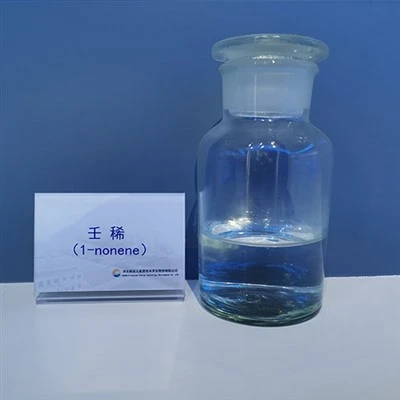
First, let’s get on the same page: what even are olefin raw materials? Think natural gas liquids (NGLs) like ethane, propane, or naphtha, or even crude oil distillates—they’re the feedstocks that go into cracking units to make ethylene, propylene, the building blocks for everything from water bottles to car parts. When you crack those, you don’t just get the main products; you get a whole stream of secondary stuff. That’s the byproducts I’m talking about, and they vary depending on what feedstock you start with. Let’s start with the big ones, because those are the ones my team and our clients deal with daily.
Take ethane cracking, which is super common for making ethylene. When you heat ethane to like 800-900°C in a cracking furnace, a bunch of ethane molecules split, but some don’t make it all the way to ethylene. The top byproduct here is methane, right? Wait, no—wait, actually, it’s pyrolysis gasoline (pygas for short) and C4 fractions, but also, ethane cracking gives off a fair amount of hydrogen. Wait, hydrogen is a big one. Why? Because a lot of refiners and chemical plants use hydrogen for hydrotreating—cleaning up gasoline, diesel, even making other chemicals. I remember a client of ours, a mid-sized specialty chemical maker, used to pay through the nose for hydrogen until they realized they could source it from the same olefin processing byproducts we help our clients access. That’s the thing: these aren’t just trash to dispose of, they’re sellable.
Then there’s propane cracking, which is for propylene. Propane’s a bit different in the cracking process—since it’s a bigger molecule, it breaks down into more byproducts. The main ones here are C4 hydrocarbons (butenes, butadiene) and sometimes even smaller amounts of aromatic compounds like benzene and toluene. Oh, and pygas, which is a liquid mix of aromatics and olefins—super useful for making gasoline additives or even as feedstock for other petrochemicals. I’ve had another client, a regional refiner, that blends that C4 fraction right into their gasoline pool; it adds octane, which saves them money on costly additives. That’s a win-win.
Wait, what if we’re talking about naphtha cracking? Naphtha’s a heavier feedstock, right? It’s a mix of light hydrocarbons from crude oil distillation, so its byproducts are even more diverse. You get more aromatics here—benzene, toluene, xylene (BTX, as we call it in the biz)—those are huge for making plastics, synthetic fibers, even pharmaceuticals. Also, naphtha cracking produces more pyrolysis oil and sometimes even heavy residues, called cracked gas oil (CGO), which we use as feedstock for delayed cokers to make petroleum coke. Petroleum coke, fun fact, is used in aluminum production and power generation—so yeah, even that “residue” has a market.
But let’s not gloss over the tricky ones, the byproducts that are more of a hassle than a money-maker. Like, when olefins are processed, there’s always a bit of sulfur compounds, right? Even if your raw feedstock is low-sulfur, the cracking reactions can create things like hydrogen sulfide (H2S) and mercaptans. Those have to be removed—we work with our clients to make sure we deliver feedstocks that minimize sulfur carryover, but any leftover byproduct sulfur has to be treated, usually converted into sulfuric acid. That’s a whole other industry, but if you’re not prepared, that can eat into your profits. I’ve seen small plant operators get hit with unexpected costs because they didn’t factor in sulfur byproduct processing—lesson learned.
Another tricky byproduct: acetylene. Wait, acetylene is actually a useful chemical on its own, but when it’s a byproduct of ethylene cracking, if it’s not separated properly, it can cause issues in downstream processes. Like, if you’re making polyethylene, too much acetylene can mess with the catalyst, slowing down production. So we work closely with our clients to make sure the cracking units are set up to separate acetylene early, either for sale or for safe disposal. It’s a balance, honestly—you don’t want to waste a usable byproduct, but you also don’t want it contaminating your main product.
Here’s a thing I see a lot of newer folks in the olefin space miss: the type of byproducts you get depends entirely on your feedstock and your processing unit. If you’re using ethane from natural gas, your byproduct mix is mostly hydrogen and methane; if you’re using naphtha, it’s way more BTX and pygas. If your cracking furnace is a newer, high-efficiency one, you get less heavy residues and more valuable light byproducts like hydrogen. That’s why partnering with a supplier who knows their stuff matters—we don’t just hand off raw materials; we can help you optimize how you handle the byproducts that come with ’em.
Let me give a real example. Last year, a client of ours was a startup making bioplastics, and they were using ethylene as their main feed. Their old supplier didn’t explain that their ethylene processing would produce a lot of hydrogen, and they were buying hydrogen from a third party for $2.10 per kilogram. We sat down with them, mapped out their processing unit, and showed them that they could capture that hydrogen byproduct and use it in their own plant for their fermentation process—saving them over $120,000 a year. That’s not a small number for a startup. It’s not just about selling raw materials; it’s about understanding the whole value chain, byproducts included.
Now, let’s talk about the “waste” side, because let’s be real, some byproducts can’t be sold. Heavy tar residues from cracking, for example, are usually used as fuel for boilers in petrochemical plants, or processed into petroleum coke as I mentioned earlier. The key here is that proper processing and separation is non-negotiable. If you cut corners on separating byproducts, you end up with lower-quality main products, or byproducts that require expensive disposal instead of revenue. That’s why we invest in testing our feedstocks before delivery—we can tell you exactly what byproducts you’ll be dealing with, in what quantities, so you can plan accordingly.
Wait, another point: regulatory stuff. A lot of these byproducts have environmental rules around them. For example, methane is a greenhouse gas, so if you’re venting it instead of using it as fuel, you could be running afoul of local environmental regulations. Hydrogen sulfide is toxic, so you can’t just release that. We stay up to date on all that, so when we work with clients, we don’t just give them the raw materials—we help them navigate the rules for handling byproducts, too. It’s part of being a reliable supplier, not just a middleman.
Let me wrap this up so it’s not just a list of chemicals. Here’s the takeaway: olefin processing byproducts aren’t just afterthoughts. They’re either a revenue stream, a cost to manage, or a regulatory headache—depending on how you handle ’em. As someone who’s been in the olefin raw material supply game for over a decade, I can tell you that the best operators aren’t just focused on their main product; they’re optimizing the whole stream, including those secondary materials.
Aluminum Diisobutylphosphinate If you’re dealing with olefin raw materials and you want to make sure you’re not leaving money on the table (or getting hit with unexpected costs from byproducts), let’s chat. Whether you’re a small refiner, a chemical plant, or a startup working with olefins, we can walk through your feedstock, your processing setup, and show you how to manage those byproducts better. No sales pitches, just honest talk from someone who’s been there, solved a ton of these problems, and wants to help you do the same. Don’t sleep on the byproducts—they could be your next biggest win.
References
- Speight, J. G. (2019). Petroleum Refining: Technology and Economics (5th ed.). CRC Press.
- Meyers, R. A. (2016). Handbook of Petrochemicals Production. McGraw-Hill Education.
- American Fuel & Petrochemical Manufacturers. (2022). Byproduct Management in Olefin Processing: Industry Best Practices. AFPM Technical Bulletin.
- Gas Processing Suppliers Association. (2021). Hydrogen and C4 Fraction Markets in Olefin Value Chains. GPSA Market Report.
Hebei Xinxinyuan Energy Co., Ltd.
Hebei Xinxinyuan Energy Co., Ltd. is one of the most professional olefin raw materials manufacturers and suppliers in China, featured by quality products and good price. Please rest assured to wholesale customized olefin raw materials made in China here from our factory.
Address: Zhongjie Industrial Park, Huanghua City, Cangzhou City, Hebei Province, China
E-mail: xxyyxb@zjshjt.com
WebSite: https://www.xinxinyuanfr.com/
