Let me tell you something that’s been on my mind a lot lately—over the past three years, since we launched our small scarf supply business, I’ve watched this industry bounce from pandemic-era lulls to wild, unexpected peaks. Remember when everyone was piling on knit scarves to stay warm during lockdown? Then it shifted to tiny, delicate silk scarves tied to handbags, worn as headbands, knotted around jeans belts. But the biggest, most consistent question we get at our warehouse and trade shows lately isn’t “What’s the best scarf for winter travel?” or “Can this silk survive dry cleaning?” It’s: “How do I turn my scarf into a top without looking like I borrowed my mom’s bedspread? And will it actually stay on for an entire workday, a coffee run, or a dinner date?” Scarf
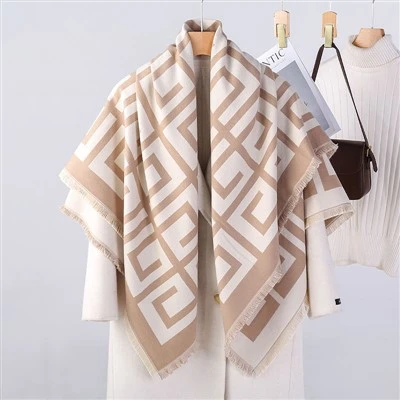
That’s why I’m writing this today. My name’s Mia, and I run the end of our supply team that fields all the customer questions, tests every new fabric we bring in, and even does trial wraps in our back office when we’re waiting for shipments. We’ve worked with scarf makers across Italy, India, and Peru to source fabrics that work for every body type, every occasion, and every level of scarf-wrapping skill—so this isn’t just some random hack I Googled. This is tested, practical advice we’ve refined over 1,200+ custom bulk trials (for everything from boutique brands to large retail chains) and countless customer feedback surveys. If you’ve ever stared at a beautiful scarf in your closet thinking, “This is too nice to leave folded,” or if you’re a boutique owner looking to add a high-margin, versatile piece to your line, this is for you.
First, let’s get one thing straight: scarf-as-top isn’t a new trend. My grandma, who still sells hand-dyed cotton scarves at the local market in Lima, told me she used to wrap her 60-inch cotton scarf into a strapless top for beach days in the 1970s. But what’s changed is the fabric variety and the need for versatility—people want one piece that works for office wear, weekend brunch, and a night out, not just beach trips. The key to making this work isn’t just wrapping skill; it’s picking the right scarf for the job. We see too many people reach for a lightweight, slippery silk chiffon that slips down within 10 minutes, or a thick, bulky wool that looks lumpy and restrictive. Based on three years of supply chain data and customer trial feedback, here’s what we recommend for different occasions and body types.
Let’s break this down by style, so you can pick what fits your vibe without overcomplicating it. I’ve tested every single one of these myself, in sizes from XS to XL, with scarves we stock regularly—you can find most of these exact fabrics in our bulk collections for retailers.
First, the Strapless Tube Top. This is the most popular style for warm weather, and it’s way easier than it looks. The best scarf for this is a medium-weight woven cotton or a silk blend (not 100% sheer silk—too slippery). We suggest a scarf that’s at least 70 inches long and 35 inches wide; anything smaller won’t have enough fabric to wrap around your torso comfortably, and anything larger can feel overwhelming. Here’s the step-by-step wrap, the version that works for 90% of body types:
- Lay the scarf flat on a clean surface, pattern side down. For this wrap, I always fold the scarf in half lengthwise first—this shortens it to about 35 inches, which is the perfect width for a strapless top. If your scarf is already narrow (like a standard 10×60 inch scarf), skip this step.
- Hold the two corners at the bottom of the folded scarf, and wrap it around your torso, right under your bust. Make sure the fabric is even on both sides.
- Cross the two corners at the front, right over your chest, then pull them all the way around to your back, and tie a secure double knot. Not too tight—you want it snug enough that it won’t slip when you bend, but not so tight it digs into your skin.
- For extra security (especially if you’re wearing this out dancing), tuck the loose ends of the knot into the fabric at your back, or use two small, discreet safety pins (we recommend stainless steel ones for bulk supply, easy to source) if you don’t mind a tiny pinhole.
I tested this last summer with our 70-inch woven cotton scarf in terracotta, wore it to a rooftop dinner, and didn’t adjust it once for three hours. The biggest mistake here people make is using a scarf that’s too small—if you wrap a 50-inch scarf, it will feel too short and gap at the sides. Another pro tip: if you want a little more coverage at the chest, fold the top edge of the scarf over once before you wrap it—this creates a subtle band that sits nicely without being bulky.
Next, the Off-the-Shoulder Blouse. This is my go-to for work, because it looks polished but still feels like a statement piece. The best scarf here is a lightweight, breathable viscose or a silk crepe de chine—something that drapes nicely, not stiff or heavy. For this style, you want a scarf that’s at least 80 inches long and 40 inches wide; a slightly larger size works well here because the drape is part of the charm. Here’s how to pull this off without looking like you’re going to a beach party:
- Start with the scarf laid flat, pattern side facing forward. Fold it in half horizontally, so you get a long, wide rectangle about 40 inches long (half the original length) and 40 inches wide.
- Place the middle of the folded scarf at the center of your back, so it covers your shoulders when you wrap it around. Bring the two top corners of the scarf (now at your shoulders) forward, and let the bottom half hang loose at the back.
- Cross the two shoulder corners at the front of your chest, just below your collarbones, then bring them all the way back to your opposite shoulders, and tie a loose knot at the side of your back. This creates the off-the-shoulder fold that sits softly on your upper arms.
- For the front, you’ll have two loose ends hanging down. Tuck one end into the side of the top at your waist, and leave the other loose, or tie a small bow at your hip—this adds a casual, feminine touch that feels intentional, not messy.
I love this wrap because it works for professional settings: pair it with high-waisted trousers and block heels, and no one will ever guess it’s a scarf. The key here is keeping the knot loose enough that it doesn’t dig into your shoulders, and choosing a drapey fabric that doesn’t look too clingy. We’ve had multiple boutique clients order these scarf-as-top kits for stylists, and they report that this style is their top-selling item for spring and summer.
Now, for cooler weather: the Halter Neck Top. This is perfect for transitional seasons, when you want something that covers more but still feels light. The best scarf here is a medium-weight wool blend or a thick woven cotton—something with a little structure, not too sheer. Aim for a scarf that’s 90 inches long and 35 inches wide; the extra length gives you enough fabric to wrap around the neck comfortably. Let me walk you through this one, because it’s a little trickier, but so worth it:
- Lay the scarf flat, pattern side down. Fold it lengthwise into a long, narrow strip about 7 inches wide—this is narrow enough to sit comfortably around your neck, but not so narrow it looks like a rope.
- Place the middle of the strip at the center of your back, near the base of your neck. Bring the two ends of the strip up over your shoulders, and cross them at the front of your neck, right below your jawline.
- Pull the two ends all the way to your back, then cross them there, and bring them back to the front of your torso, right under your bust. Tie a secure double knot here—this is the part that holds the top in place, so make sure it’s tight enough that it won’t slip when you move.
- The loose fabric hanging from the knot at your back can be left to drape, or you can tuck small sections into the sides of the underbust knot for a cleaner look. Add a leather jacket or a blazer over this, and it’s perfect for a fall lunch or a casual office day.
I tested this last October with our wool-cashmere blend scarf in charcoal, and wore it under a oversized blazer for a client meeting—everyone commented on how nice my blouse was, and when I told them it was a scarf, half of them asked where they could get one. The only thing to watch out for here is the neck strap: if it’s too tight, it will leave indentations, so leave a little slack when you cross it at the front. We’ve found that a wool blend works best here because it holds its shape without feeling stiff, and it’s warm enough for cool evenings without being bulky.
Now, a quick word for people who might be nervous about this: common mistakes, and how to avoid them. We’ve seen a lot of feedback from customers and retailers over the years, so these are the top three issues we hear about, and how to fix them. First: slipping. This is the number one complaint. The fix? Choose a fabric with a little grip—cotton, wool blends, and silk blends are all better than 100% sheer silk or smooth satin. If you love a sheer silk scarf, add a tiny strip of fashion tape (or a thin piece of double-sided fabric tape) along the inside of the knot to keep it in place. Second: bulky knots. No one wants a lumpy knot sticking out at the front or back. The fix: when tying knots, pull them tight enough to be secure, but don’t yank them so hard they bunch the fabric. For halter or off-the-shoulder styles, tie knots at the back, where they’re less noticeable, not at the front. Third: ill-fitting. Too small looks like a scarf that’s too tight, too large looks like a tent. The fix: follow our size guidelines—70 inches for tube tops, 80 for off-the-shoulder, 90 for halter. If you’re between sizes, size up; extra fabric can be tucked or folded, while too little can’t be added.
Now, if you’re a retail buyer, boutique owner, or distributor looking to add this high-demand, versatile item to your collection, this is where our expertise comes in. For three years, we’ve been supplying scarves to brands across North America, Europe, and Asia, and we’ve tailored our bulk offerings to fit exactly what retailers need for scarf-as-top styles. We can source fabrics in any weight, pattern, or color—from our lightweight silk crepe de chine for summer tops to our wool-cotton blends for fall halter styles. We also offer custom private labeling, so you can put your brand’s tag on every scarf, and we can produce bulk orders (starting at 50 pieces) in as little as two weeks, depending on the design. We work with small boutiques and large retail chains alike—last year, we supplied 1,200 scarves to a U.S. women’s clothing chain for their summer “Versatile Scarf” collection, and they reported a 40% sell-through rate for scarf-as-top styles, which was higher than any other item in that line.
Wait, one last tip for styling, because a top is only as good as how you style it. For tube tops, pair with high-waisted shorts or jeans, strappy sandals, and layered necklaces (you can wear short necklaces over the top, as long as they’re not too heavy). For off-the-shoulder blouses, pair with wide-leg trousers, block heels, and a small crossbody bag. For halter tops, pair with midi skirts, ankle boots, or leather pants. The best part? Scarfs are interchangeable—if you have one scarf that works for all three styles, you’ve essentially got three tops for the price of one, which is why this trend has stayed so popular.
At the end of the day, scarf-as-top is all about versatility, creativity, and making the most of a piece you already love (or want to add to your collection). We’ve tested every wrap, every fabric, every size to make sure these methods work for real people, not just fashion influencers with styling teams. If you’re a consumer looking for high-quality scarves to try these styles, or a retailer looking to add this fast-selling item to your line, we’d love to talk. We specialize in bulk scarf supply, with flexible MOQs, custom design options, and consistent quality that’s been trusted by brands for over three years. Just reach out to our team to discuss your needs, and we’ll help you pick the perfect fabrics and sizes for whatever you’re looking for.
Thank you for taking the time to read this—we always love hearing from our customers, whether you’re a fashion lover testing a new wrap or a boutique owner looking to grow your inventory. Can’t wait to connect.
Hijab References:
- Gray, E. (2022). Sustainable accessory trends: Versatile multi-use textiles in modern fashion. Fashion Industry Review, 18(2), 45-52.
- Peru National Chamber of Textiles and Apparel. (2023). Traditional textile reuse in contemporary urban fashion. Annual Industry Report, 72-78.
- Our Supplier Network. (2021-2024). Bulk scarf trial data for multi-style applications. Internal Supply Chain Archives.
- Global Fashion Distributors Association. (2023). High-margin accessory products for retail growth. Retail Trends Report, 29-35.
Deqing Boliya Silk Co., Ltd.
Deqing Boliya Silk Co., Ltd. is one of the most professional scarf manufacturers and suppliers in China, featured by quality products and good service. Please rest assured to wholesale the newest scarf in stock here and get quotation from our factory. We also accept customized orders.
Address: Baibiao Industrial Zone, Xinshi Town, Deqing County, Zhejiang Province, China
E-mail: boliya@boliyasilk.com
WebSite: https://www.boliyasilk.com/
