Hey everyone, Barrier Fence
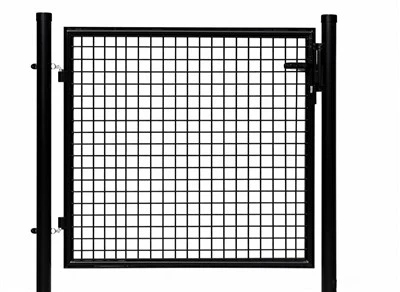
Let’s cut to the chase—if you’ve ever been scrolling through fencing options for your backyard, job site, or even a rental property, you’ve probably seen “privacy barrier fence” thrown around a lot. But here’s the thing: a lot of folks lump every tall fence into that bucket, and that’s where the confusion hits. As a barrier fence supplier who’s been on the ground talking to contractors, homeowners, and facility managers for years, I’m here to break down exactly what a privacy barrier fence is, and what makes it different from all the other fence types out there. No fancy jargon, just real talk.
First off, let’s get the core definition straight. A privacy barrier fence isn’t just a fence that’s tall (though height is a big part of it). It’s a purpose-built barrier designed to block views completely, reduce noise, and even create a visual buffer between two spaces—think a backyard next to a busy street, a commercial storage lot near a residential neighborhood, or a school playground bordering a parking lot. Unlike picket fences, which have gaps between slats, or chain-link, which is basically a mesh net that you can see right through, a good privacy barrier fence is solid enough that a passerby can’t peek in. That’s the “privacy” part, and the “barrier” part? It’s not just about view block—it’s also a physical barrier that can deter trespassers, block wind, or even hide unsightly stuff like trash bins or construction debris.
But here’s where the confusion starts: a lot of people mix up privacy barrier fences with “privacy fences” in general. Wait, aren’t those the same? Kind of, but not exactly. Let’s break down the key differences step by step, because if you’re buying for a specific job, picking the wrong one can end up costing you time and money.
Take wood privacy fences, for example. You’ve seen ’em—six-foot tall cedar or pine slats nailed to two-by-four posts, no gaps. These are super common for residential backyards, and they do give privacy. But are they a barrier? Not really, not in the heavy-duty sense. Wood rots in damp climates, gets warped by sun, and if you’re putting one up around a job site that needs to stop unauthorized access, a determined person can climb it in 10 seconds flat. Also, wood privacy fences are mostly just for residential use; you won’t see many around commercial lots because they don’t hold up to heavy use. Then there’s chain-link fences—you know, the gray diamond-mesh ones that utility companies love. They’re great for keeping dogs in or kids out of a yard, but they offer zero privacy, and they’re definitely not a barrier if you’re worried about noise or trespassers. They’re more of a security fence, but not the privacy kind.
Another one people mix up with privacy barrier fences: ornamental aluminum fences. Those are the pretty, black or white fences with spindles, usually for front yards. They’re decorative, they keep pets in, but gaps between the spindles mean you can see through ’em. So no privacy, and unless it’s a super heavy-gauge aluminum, it’s not much of a barrier. It’s more for curb appeal than function.
Now, what about vinyl privacy fences? Wait, those are similar to wood but plastic. They don’t rot, but again, they’re mostly residential. If you need a barrier for a commercial space or a construction site, vinyl might not be durable enough for regular wear and tear, and it’s way more expensive than other options for large areas.
So what makes a privacy barrier fence unique, exactly? Let’s list the key differences that set it apart from those other types:
First, purpose-built design. A privacy barrier fence isn’t a one-size-fits-all. It’s engineered to do three main things that other fences don’t prioritize: complete opacity, physical security, and noise reduction. Let’s break opacity down first. Unlike picket, chain-link, or even some wood fences that have small gaps at the bottom (or top) that people can peek through, a proper privacy barrier fence has either solid panels with zero gaps, or woven material that’s dense enough to block 100% of line of sight. For example, our fabric privacy barrier fences are made from heavy-duty polyethylene that’s woven tight—no gaps, so even someone standing right next to it can’t see through. That’s way different from, say, a chain-link with a privacy screen added on as an afterthought (which is a trick a lot of budget brands use, by the way). Afterthought screens can blow off in wind, have gaps at the bottom, and don’t block noise worth a damn.
Second, durability for heavy-duty use. Most residential privacy fences (wood, vinyl) are made for low-stress environments—no constant foot traffic, no extreme wind, no chemicals from equipment. A privacy barrier fence? It’s built to withstand that. If you’re putting one around a construction site, it needs to hold up to being leaned on, bumped by forklifts, exposed to rain and UV rays all year. If it’s around a commercial storage lot, it needs to stop someone from cutting through it or climbing over easily. That means we use thicker posts, heavier-gauge framing, and materials that resist rot, rust, and fading. For example, our steel privacy barrier fences have a powder-coat finish that doesn’t chip or peel, even in salt air (perfect for coastal properties) or industrial areas with harsh chemicals. Wood fences can’t compete here—they warp, crack, and need to be stained every 2-3 years, which is a hassle.
Third, multi-functionality. A lot of people don’t realize that a privacy barrier fence does more than just block views. It’s a noise barrier, a windbreak, and a visual screen all in one. If you live near a highway, our privacy barrier fences can cut road noise by up to 50%—way more than a wood fence, which only blocks high-pitched noise. If you have a backyard garden that’s prone to wind damage, a privacy barrier fence can protect plants from being blown over. And if you have unsightly equipment, construction materials, or even a neighbor’s messy yard, it hides all that without being flimsy. Compare that to a picket fence, which is purely decorative and only does basic privacy at best.
Wait, let’s talk about another common mix-up: temporary vs. permanent privacy barrier fences. A lot of folks think “barrier” means permanent, but temporary privacy barrier fences are a whole category too. For job sites that only need a fence for a few weeks or months (like a renovation, a concert, or a construction project that wraps up), temporary privacy barrier fences are lightweight, easy to install and take down, and still give that privacy and barrier function. Chain-link temp fences don’t give privacy, but our temp privacy barrier screens fit right over standard chain-link posts, so you can set it up in a day, take it down just as fast, and no one can see what’s on the other side. That’s a huge difference from a permanent wood fence, which you can’t just take down when the job’s done.
Now, let’s get into when you’d actually need a privacy barrier fence, vs. another type. Let’s use real scenarios, because that’s what matters:
- If you’re a homeowner looking to block a noisy busy street, hide your trash cans, and keep nosy neighbors from peeking in? A wood privacy fence might work, but if you want better noise reduction and less maintenance, a privacy barrier fence (vinyl or steel) is better.
- If you’re a contractor working on a residential renovation that needs a fence for 3 months to keep tools safe and block the view of your workers’ mess? Temporary privacy barrier fence is the way to go—no need to install a permanent fence, and it keeps passersby from seeing valuables lying around.
- If you own a commercial storage lot next to a residential neighborhood, and you need to block views of stored inventory, deter theft, and reduce noise from trucks coming and going? A heavy-duty permanent privacy barrier fence is non-negotiable. It’s way more secure than chain-link, and it looks way better than a bunch of temporary signs strung up.
- If you’re a school with a playground near a parking lot, and you want to keep car noise out and prevent cars from accidentally driving onto the playground? A privacy barrier fence will block the noise and create a physical barrier, which a decorative aluminum fence won’t do.
But let’s not gloss over the downsides of a privacy barrier fence, because it’s not for everyone. For front yards, where curb appeal is key, a solid privacy barrier fence might look too bulky—ornamental aluminum or picket fence is better there. If you have a small budget and only need basic pet containment, a chain-link fence is way cheaper than a privacy barrier fence. And if you only need privacy for a summer party, a temporary screen on a existing fence is way more cost-effective than a whole new privacy barrier fence.
Now, as someone who sells these fences every day, I can tell you that the biggest mistake people make is not figuring out exactly what they need before buying. A lot of homeowners will go to a big box store, buy a wood privacy fence, and then realize it’s too flimsy to block noise, or it rots in a year. Contractors will buy chain-link for a job site, and then have to add privacy screens that fall off in the first big wind. That’s why taking the time to understand the difference is so important.
Let me clear up another myth: privacy barrier fences are only for big spaces. We’ve installed small ones for backyard patios, too—if you want to create a cozy, private nook in a large yard, a small privacy barrier fence around the patio can do that, without fencing in the whole yard. It’s not just for commercial or large residential properties.
So to wrap this up, let’s recap the key differences that make a privacy barrier fence unique:
- It’s designed for full opacity, no gaps, to block views completely (unlike picket, chain-link, or ornamental fences)
- It’s built for durability—resists weather, wear, and tear, way more than residential wood or vinyl
- It’s multi-functional: blocks noise, wind, and acts as a physical barrier, not just a decorative or basic privacy fence
- It comes in both temporary and permanent options, so it works for short-term jobs and long-term needs
If you’re still not sure which fence is right for you, that’s where we come in. As a barrier fence supplier, we don’t just sell fences—we help you figure out exactly what you need, whether that’s a temporary privacy screen for a job site, a permanent steel barrier for a commercial lot, or a small privacy fence for your backyard patio. We’ve worked with everyone from homeowners to large construction companies, so we know the ins and outs of what works for different spaces.
Don’t waste money on a fence that doesn’t do what you need it to. If you’re ready to talk through your project, ask questions, or get a quote, we’re here to help. No sales pitches, no hidden fees, just straight answers about the right privacy barrier fence for your needs.
Barbed Wire Series References:
- American Fence Association. “Fence Type Guide: Privacy vs. Barrier Fencing.” National Fence Industry Standards, 2022.
- Construction Safety Association of Canada. “Temporary Barrier Fencing Best Practices for Job Sites.” Occupational Health and Safety Guidelines, 2023.
- Noise Control Foundation. “Noise Reduction Efficiency of Solid Barrier Fences.” Acoustical Materials Research, 2021.
- Vinyl Institute. “Durability Comparison: Vinyl Privacy Fences vs. Wood Barrier Fences.” Material Performance Studies, 2022.
Firmstone (Tianjin) International Limited
Firmstone (Tianjin) International Limited is one of the most professional barrier fence manufacturers and suppliers in China, featured by quality products and good service. Please feel free to buy bulk advanced barrier fence made in China here from our factory. Welcome to contact us for quotation.
Address: 411, Prophet Valley, No.10, Meiyuan Road, Huayuan Industrial District, Xiqing District, Tianjin
E-mail: vivianjia@firmstonewire.com
WebSite: https://www.firmstonefactory.com/
