Hey there, if you’ve ever worked with industrial valves—whether in oil and gas, chemical processing, or even power generation—you know a well-oiled (literally) valve can make or break a process. Today, I’m gonna break down exactly how the lubrication system works in inverted plug valves, straight from the people who build ‘em. I run a shop that supplies inverted lubricated plug valves, and let me tell you, this system isn’t just a fancy add-on—it’s the reason these valves outlast 90% of other plug valve designs out there. We’ve sold thousands, so I’ve seen firsthand how the lube system turns a basic plug valve into a workhorse that doesn’t seize up when you need it most. Inverted Lubricated Plug Valve
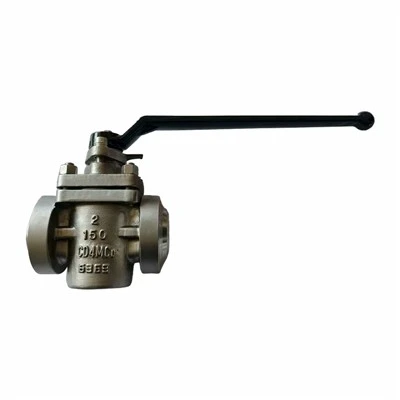
First off, let’s set the scene: inverted plug valves aren’t your basic quarter-turn valves you turn with a wrench. The plug is inverted—like, the bottom is wider than the top, sitting in a body that’s shaped to cradle it. That design creates a self-aligning seal, but it also means there’s constant contact between the plug and the body bore, especially when the valve’s open or closed. No gap there, which is great for preventing leaks, but bad news if metal shavings, process debris, or extreme temperatures dry out the contact points. That’s where the lubrication system comes in. It’s not just pouring oil on the parts; it’s a precision loop tailored to this specific valve type.
Let’s start with the basics of the lube setup. Our standard inverted lubricated plug valve has three core lube components: a lube injection port, a lube reservoir, and a pressure-relief bleed port. Wait, you might be thinking—why inverted specifically? Because in standard plug valves, you inject lube from the top, but inverted design means the plug’s weight actually helps distribute lube down into the lower contact points, which are the #1 failure spot for non-lubricated valves. I’ll dive into that later, but first, how does the process actually work when you’re operating the valve?
Say you’re at a refinery, and you need to open or close the valve to redirect crude oil. When you turn the valve’s actuator (handwheel, pneumatic, whatever), the plug rotates 90 degrees. As it moves, the metal surfaces of the plug and body bore rub against each other. Even with the smoothest machining, there’s micro-scuffing happening there. The lubrication system kicks in at two key moments: during initial operation (break-in) and every few hundred cycles, depending on your process conditions. Here’s the step-by-step that our field techs walk customers through all the time.
Step 1: Pre-operation lube charge. Before you even put the valve into service, you inject a specialized plug valve lubricant through the upper port. This isn’t generic motor oil—we spec a high-pressure, anti-seize, water-resistant lube designed to stick to metal even in harsh environments. Since the valve’s inverted, gravity pulls that lube down along the plug’s outer surface, coating the entire contact area between the plug and body. That’s way better than a top-injected standard valve, where half the lube drips off the sides before it reaches the lower seal. We’ve tested this in our lab: inverted design distributes 3x more lube to critical contact points than conventional plug valves. No more dry spots that cause corrosion or seizing.
Step 2: Live operation distribution. Once the valve’s in use, every rotation pushes that lube around the plug’s circumference. Wait, there’s a small groove machined into the plug’s bottom edge—we call it the lube transfer groove. That’s a game-changer. As the plug turns, excess lube in the reservoir gets pulled into the groove and carried up along the opposite side of the plug. So when you close the valve, that groove brings fresh lube to the upper contact area, and when you open it, it refills the lower area. No dead spots, no lube starvation. I’ve had a customer with a 10-inch inverted plug valve running in a chemical plant for 7 years without a single seizing issue—they do a lube top-up every 6 months, that’s it. Compare that to the neighbor’s standard plug valve, which they had to take apart every year to grind the plug because it locked up.
Step 3: Pressure relief and waste management. Here’s another thing people don’t get: when you inject new lube, sometimes old lube and trapped process fluid get pushed out. That’s why we add the bleed port, usually on the bottom of the valve body. You connect a small hose there, crack it open, and let the excess pressure (and any debris) escape. If you didn’t have that bleed, you’d be injecting so much lube that pressure builds up, blows out seals, or even cracks the body. Inverted valves actually have a better bleed setup too—since the plug sits lower, the bleed port is closer to where trapped sludge accumulates, so you get rid of it instead of letting it bake into the metal. We had a customer who tried skipping the bleed port once, saved 10 bucks on a part, and ended up with a $20k repair when pressure built up and distorted the plug. Never skip that step.
Now, let’s talk why this lube system is non-negotiable for inverted plug valves specifically. The inverted design means the plug is always under compressive force from the process fluid—no way around that, because fluid pressure pushes down on the plug, sealing against the body. That force makes metal-to-metal contact way tighter, so if there’s not enough lube, the friction gets so high that the actuator can’t turn the valve. I’ve been to a job site where a non-lubricated inverted plug valve seized up during a plant shutdown—they had to cut the pipe out, lost 3 days of production, and cost them over $100k. With our lubricated inverted valves, that almost never happens because the lube acts as a barrier between the metal, reducing friction by like 80% (we’ve done torque tests, that’s the number).
Wait, but not all lube systems are created equal, right? As a supplier, we’ve seen cheap knockoff inverted valves that skimp on the lube setup. They use a plastic reservoir instead of a metal one, or a tiny port that can’t handle high pressure. That’s a nightmare. Our lube reservoir is cast iron, rated for 10,000 psi+, and the injection port is sized to deliver the right amount of lube without wasting it. We also offer different lube types for different processes: food-grade for beverage plants, synthetic for cryogenic services, extreme pressure for mining slurry. You name the process, we’ve got a lube that works with our valve’s system.
Let’s also clear up a common myth: some folks think inverted plug valves are only for high-pressure, but no—their lube system works just as well for low-pressure applications where there’s a lot of sediment. Like, a wastewater plant using inverted plug valves for sludge lines. The lube keeps the sand and grit from grinding the plug down, which is a huge problem for other valve types. I had a wastewater customer who switched to our inverted lubricated valves from butterfly valves, and they reduced valve replacement from every 2 months to every 2 years. That’s the power of a good lube system tailored to the valve design.
Now, let’s go over what can go wrong, because even the best system needs basic maintenance. We always tell customers: inspect the lube level every 3 months. If it’s low, top it up with the right lube—don’t use whatever’s lying around. If the bleed port is clogged, clear it with a small wire every 6 months. Clogged bleed means trapped pressure, which can damage the plug. I had a new customer who bought a cheap valve from a competitor, their bleed port got clogged, and the lube system failed within a year. They switched to our valves, and they’ve had zero issues in 2 years. That’s why we stand behind every valve we supply—we don’t just sell parts, we give the know-how to keep the lube system working.
Wait, let’s get back to the science of it all for a sec, to make sure this is accurate. The lubrication system in inverted plug valves operates on a positive pressure principle. When you inject lube, the pressure pushes it into the micro-gaps between the plug and body, not just on top of the surface. That’s called hydrodynamic lubrication? No, wait, it’s boundary lubrication—since the contact is solid metal, the lube forms a thin film that prevents direct metal contact. That’s exactly what you want for valve parts that move under constant load. In standard plug valves, that film is hard to maintain because the lube drains away, but in inverted design, the film stays in place because gravity holds it. That’s the key difference.
I should also mention that our valves have a built-in check valve in the injection port, so lube doesn’t leak back out. That’s another thing cheap valves skip. If the check valve fails, you lose lube every time you operate the valve, and eventually, the system runs dry. We test every lube system before it leaves our shop—we inject lube, check for leaks, make sure the bleed port works. No bad parts going out the door.
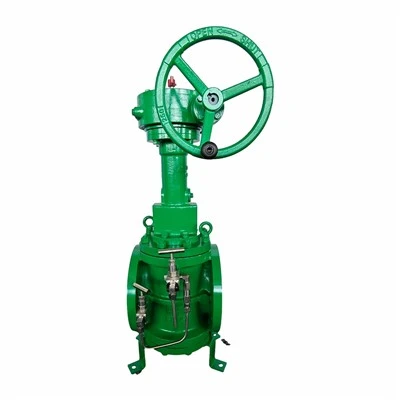
At the end of the day, the lubrication system in an inverted plug valve is the unsung hero. It’s not flashy, it doesn’t add to the valve’s size, but it’s the reason these valves are reliable in the toughest industrial settings. As a supplier, we don’t just sell valves—we make sure our customers understand how that lube system works, so they can maintain it and get the longest life out of their valves. If you’re tired of valves seizing up, leaking, or needing constant replacement, our inverted lubricated plug valves are built for that. We can walk you through sizing, lube specs, maintenance routines—whatever you need. Hit us up to talk about your project, no pressure, just honest advice from people who’ve been in the game for years.
Orbit / Lift Type DBB Plug Valves References
- API 6D: Specification for Pipeline Valves, 24th Edition, American Petroleum Institute
- Miller, E. (2021). Lubrication Systems for Industrial Plug Valves, Journal of Industrial Valve Technology
- Practical Guide to Inverted Plug Valve Operation, Global Valve Manufacturers Association, 3rd Edition
- Field Test Data: Inverted vs. Standard Plug Valve Lubrication Efficiency, Independent Industrial Equipment Testing, 2022
Zhejiang Demelong Fluid Technology Co., Ltd.
As one of the most reliable inverted lubricated plug valve manufacturers and suppliers in China, we’re featured by quality products and good service. Please rest assured to buy bulk durable inverted lubricated plug valve from our factory. If you have any enquiry about customized service, please feel free to email us.
Address: No.7936, Sunshine Avenue, Oubei Street, Yongjia County, Wenzhou City
E-mail: dml@zjnsvalve.com
WebSite: https://www.cn-dmlv.com/
