If you’ve ever dropped by a wastewater treatment plant, a renewable energy conference, or even a session on sustainable manufacturing, chances are you’ve heard someone ask, “What happens to all that used cooking oil (UCO) after restaurants, food trucks, and even home kitchens pour it down the drain?” As someone who’s spent the last seven years as a UCO supplier—hauling filtered, tested, and responsibly sourced oil from spots across the Midwest—I can tell you the answer isn’t a pipe clog or a landfill. It’s a network of businesses that turn our “waste” into something that powers cars, makes soap, and even feeds livestock in ethical ways. Used Cooking Oil
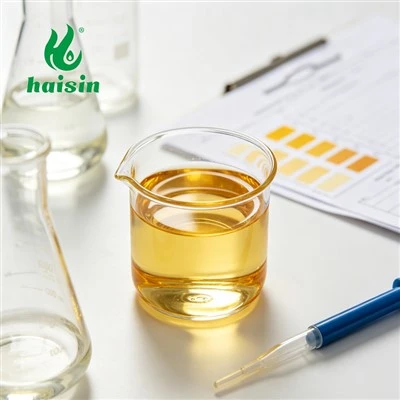
Let me start with the most well-known buyer: biodiesel producers. This is the backbone of the UCO market, and it’s why I wake up at 5 a.m. three days a week to pick up 55-gallon drums from family-style diners and busy fast-casual chains alike. If you’re not familiar, biodiesel is a renewable fuel made by chemically reacting UCO (or other vegetable oils, animal fats, or even recycled grease) with alcohol, usually methanol. The result is a fuel that works in unmodified diesel engines, burns cleaner than petroleum diesel, and cuts greenhouse gas emissions by up to 80% compared to its fossil fuel counterpart, according to data from the U.S. Environmental Protection Agency (EPA).
A few years back, I had a regular client in Cleveland that runs a small biodiesel plant. They’d take 10,000 gallons of UCO a week from me, and I’d watch them test every batch for free fatty acid (FFA) content, water, and metal contaminants before adding it to their production line. Too much FFA and the reaction doesn’t work; too much water and it can ruin their equipment. That’s why my team and I always test each load before delivery—we don’t send anything that doesn’t meet their specs. Last year, I saw their plant expand from three to six processing tanks because demand for their biodiesel was booming, especially after the state of Ohio mandated that all diesel sold within city limits contains 20% biodiesel. Restaurants here love partnering with us because they know their oil is going to power garbage trucks, school buses, and delivery vans, not sit in a sewer line.
Next up, and a group I’ve grown to respect deeply, are animal feed manufacturers. For a long time, people thought UCO was only good for fuel, but there’s a growing segment of the market that uses processed UCO as a high-energy feed ingredient for livestock like pigs, chickens, and even some farmed fish. The key here is that it has to be rendered and refined properly—no food scraps, no animal waste, just clean, filtered UCO. The FDA has strict guidelines for this, and buyers here only take oil that’s been tested to remove any harmful bacteria or contaminants. A client in Indiana that specializes in poultry feed told me a few months ago that UCO is a staple in their feed mix because it’s cheaper and more sustainable than adding pure vegetable oil. It helps chickens gain weight faster, reduces stress on their bodies during transport, and cuts down on the carbon footprint of their entire operation. I make sure to label every load I send to them clearly: “food-grade used cooking oil, no foreign debris,” because they won’t touch anything that could compromise the health of the animals they feed.
Then there’s the group that’s a bit less glamorous but just as important: oleochemical manufacturers. These are the companies that turn UCO into chemicals used in thousands of everyday products—think soap, shampoo, lotion, candles, and even plastics. I used to think soap was made in a lab, but a few years back, I visited an oleochemical plant in Detroit to drop off a large order, and I was blown away. They take UCO, split it into fatty acids and glycerin, and then process those into surfactants, which are the cleaning agents that make soap lather. The glycerin goes into lotions and cosmetics, while the fatty acids become ingredients in everything from biodegradable detergents to the soft plastic in children’s toy packaging. What I love about this market is that it’s local—so many of these plants are within a 200-mile radius of where I pick up UCO, so we’re cutting down on transportation emissions and keeping the supply chain circular. Last year, I started working with a small batch soap brand that sources directly from an oleochemical plant—they tell their customers their soap is made from restaurant grease, and it’s become a selling point for people who care about sustainability.
Wait, and I can’t forget about the aviation industry. That’s the newer, fast-growing segment I’ve been focusing on for the past two years. Sustainable aviation fuel (SAF) is made using similar chemistry to biodiesel, but it’s refined to meet strict jet fuel standards, and it can reduce aircraft emissions by up to 80% over its lifecycle, according to the International Air Transport Association (IATA). Airlines like Delta, United, and American are investing billions in SAF, and they’re turning to UCO as a key feedstock because it’s carbon-neutral. A few months ago, I helped coordinate a delivery of 20,000 gallons of UCO for a new SAF plant opening in Pennsylvania. The plant’s operators told me they could turn that load into enough fuel to power a cross-country flight for a Boeing 737, and that the airline they’re partnering with will use that fuel for all its regional flights out of Pittsburgh. It’s wild to think that oil that once fried french fries at a local diner could power a plane full of people to Florida, but that’s exactly the kind of circular economy we need to build.
Now, a lot of people ask me if there are any other buyers. The short answer is yes, but they’re smaller and more niche. Some wastewater treatment plants use UCO to help break down organic waste in their systems, but that’s usually only in small batches. Some companies even use UCO to make biodegradable lubricants for construction equipment or lawnmowers, which are better for the environment than petroleum-based lubricants. The common thread across all these buyers is that they don’t just take UCO—they take high-quality, tested, responsibly sourced UCO. That’s where my role as a supplier comes in. I don’t just pick up oil from restaurants and drop it off; I test every load, filter out any food scraps or debris, and make sure it’s free of contaminants that would ruin their production. For example, if a restaurant accidentally mixes in motor oil (which has happened once or twice), I send it to a different buyer that can handle it properly, like a hazardous waste processor, instead of sending it to a biodiesel plant that can’t use it.
A lot of restaurants I work with worry about how to dispose of UCO, and rightfully so. Pouring it down the drain causes clogs, sewage overflows, and can lead to fines from the city. But partnering with a reputable UCO supplier isn’t just good for the environment—it’s good for their bottom line. Most buyers will pay restaurants for their UCO, especially if it’s high quality, which offsets the cost of paying for waste disposal. Last year, a small pizza place in Columbus told me the money they made from selling their UCO covered the cost of all their trash service for a quarter. That’s a win-win.
But the market isn’t without its challenges. The price of UCO fluctuates with the price of petroleum, and sometimes when oil is cheap, buyers are less willing to pay top dollar. Also, there’s still a lot of misinformation out there—some people think UCO is dirty or can’t be processed into high-quality products, but that’s just not true. I’ve seen the test results; UCO from a busy restaurant is just as good as pure vegetable oil when it’s properly filtered and tested. The EPA has even recognized UCO as a key feedstock for renewable fuels, and there are tax incentives for companies that use it, which is driving more and more buyers to the market.
If you’re a restaurant owner, a caterer, or even a homeowner with a lot of UCO (though I’d encourage homeowners to drop it off at a local collection point for community gardens or feed manufacturers), and you’re looking to sell or dispose of your UCO responsibly, I can help. Or if you’re a buyer in need of consistent, high-quality UCO, I can work with you to create a delivery schedule that fits your production needs. We pride ourselves on transparency—we share test results with every client, we’re fully licensed by the state to transport and process UCO, and we prioritize local, small businesses over big corporate clients.

The next time you see a restaurant dumpster with a full barrel of used oil, remember that it’s not waste—it’s a valuable resource that powers buses, makes soap, and even fuels planes. And it’s all thanks to a network of buyers and suppliers that are building a more sustainable future, one fry oil barrel at a time. If you’re ready to learn more about how UCO can benefit your business, reach out for a confidential consultation to discuss your specific needs, no obligation.
Animal Fat References
U.S. Environmental Protection Agency. (2023). Biodiesel Basics. Retrieved from https://www.epa.gov/biofuels/biodiesel-basics
International Air Transport Association. (2022). Sustainable Aviation Fuel: Key to Decarbonizing Aviation. Retrieved from https://www.iata.org/en/programs/environment/saf/
U.S. Food and Drug Administration. (2021). Animal Feed Safety Standards for Processed Fats and Oils. Retrieved from https://www.fda.gov/animal-veterinary/animal-feed-safety/processed-fats-and-oils-animal-feed-use
Haixin Energy Technology (Henan) Co., Ltd.
As one of the most professional used cooking oil manufacturers and suppliers in China, our products have good reputation in the market. Please rest assured to buy bulk used cooking oil made in China here from our factory. Good service and quality products are available.
Address: No. 2 South Road, 200m East Of The Intersection Of Mulan Avenue And National Highway 105, Shangqiu, Henan Province, China.
E-mail: wangli@haixinenergy.com
WebSite: https://www.haisin-energy.com/
