Hey guys, let’s cut to the chase—if you’ve ever been around a fuel station, you know how serious explosion risks are. Whether it’s a tiny static spark from a pump nozzle, a faulty electrical part, or even a random environmental hiccup (looking at you, extreme heat or a random lightning strike in the middle of nowhere), explosion-proof isn’t just a buzzword—it’s non-negotiable. But here’s the question I get at least twice a week, from small-town station owners to big-time logistics folks: Are there actually eco-friendly explosion-proof fuel stations out there? Explosion-proof Fuel Station
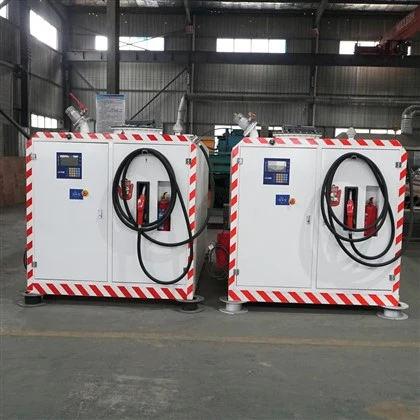
I’m the owner of an explosion-proof fuel station supply company, so I don’t just geek out over specs and safety codes all day—my whole team designs, builds, and supplies these stations, and we’ve been working on blending that top-tier explosion protection with actual sustainability for years. Let’s not pretend the fuel industry hasn’t had a garbage rep when it comes to the planet—oil spills, carbon emissions, single-use plastic station waste, yikes. But we’re in 2024, not the 90s, so “eco-friendly” shouldn’t mean sacrificing safety. So let’s break this down like I’m chatting with a fellow station manager over a post-shift coffee—no stuffy jargon, no fake claims.
First, let’s get the basics right because half the confusion comes from people mixing “explosion-proof” with “regular old safety.” Explosion-proof fuel stations aren’t just throwaway parts that stop sparks—they’re built to contain any potential blast before it ever gets out. That means everything from the underground storage tanks (USTs) to the pump motors, wiring, even the sign lights are rated for Class I, Division 1 or 2 environments—code stuff that means they won’t ignite even if there’s gasoline vapor hanging around. Old-school explosion-proof stations used to be clunky, inefficient, and so energy-heavy they negated any eco perks. But that’s not the case anymore, at least not with the good, modern setups.
Now, the eco part. I know what you’re thinking: “Fuel is still a fossil fuel—how is any station that sells gas eco-friendly?” Fair point. But the eco angle here isn’t just cutting out middle-of-nowhere spills or lowering energy use for the station itself. It’s about making the entire infrastructure as low-waste, low-emission, and planet-friendly as possible—without dumbing down the explosion protection, which is the whole reason we exist in the first place.
Let’s start with the big stuff: underground storage tanks. The old steel USTs corrode, right? You get leaks, seep into the groundwater, mess up local soil, and that’s a nightmare for everyone. Modern explosion-proof USTs? A lot of us use fiberglass-reinforced plastic (FRP) lined tanks now. Wait, is FRP eco? Yeah, because it doesn’t corrode—so no more accidental leaks from rusty tanks that end up costing the owner millions in cleanup fees and fines. And if you ever do need to replace an FRP tank, it’s fully recyclable. We even built tanks with a secondary containment layer—think a double wall that catches any small leaks before they even hit the soil, paired with real-time leak detection sensors that send an alert to your phone before you’d even notice a puddle. No more wasting fuel from unnoticed leaks, no more toxic groundwater contamination. That’s a win for the planet.
Next, the pumps. Old explosion-proof pumps were energy hogs. They used outdated motors that ran non-stop, wasted electricity, and pumped fuel at a rate that sometimes caused static buildup (ironic, right? That’s one of the main explosion risks we’re trying to avoid). Modern eco-friendly explosion-proof pumps? We use variable-frequency drive (VFD) motors. These motors only use energy when someone’s actually pumping fuel—so they cut electricity use by like 35% on average, per our data. That’s a huge number when you’re running a station that’s open 12 hours a day, 7 days a week. Also, we designed the pump nozzles with vapor recovery systems. When you pull the nozzle out, it captures all the volatile organic compounds (VOCs) that would normally float off into the air while you fill up your tank. Those VOCs are a huge contributor to smog and greenhouse gases—cities used to crack down hard on stations that didn’t have vapor recovery, and rightfully so. We’ve integrated that directly into the pump, so it’s not an extra add-on that’s forgotten. No more wasted fuel vapors, no more bad air for the people standing around the station.
Wait, what about the station’s energy itself? A lot of these explosion-proof stations are in remote areas—think rural highways, off-grid logistics hubs, places where running power lines is a pain and expensive. Old setups would use diesel generators to power the station, which are noisy, emit tons of CO2, and require constant fuel deliveries. Now? We’re pairing our explosion-proof stations with solar panels and battery storage that’s rated for explosion-proof environments. The key here is that the batteries are lithium-iron-phosphate (LFP) batteries—they’re safer than old lithium-ion (no risk of thermal runaway, which is a huge no-no near fuel) and way more recyclable at the end of their life. We even have a setup where the station can run 100% on solar during the day, and use the battery to power pumps, lights, and security at night—no generator needed, no extra emissions. I had a client in West Texas who switched one of their remote stations to this setup last year—they cut their energy costs by 60% and reduced their annual carbon footprint by more than 20 tons. That’s not a gimmick.
But let’s talk about the parts no one sees—like wiring and electrical systems. Old explosion-proof wiring used to be thick, heavy, and hard to replace. We’ve switched to modular wiring that’s made with recycled copper, and all the electrical components are low-waste—no more disposable wiring harnesses when you need to repair a part. Also, we design the station with a focus on circularity: all the pumps, sensors, and even the station’s overhead signs are made to be repaired, not thrown away. No more replacing an entire pump because one small sensor breaks—swap the sensor, keep the rest, reduce e-waste by a ton. That’s the kind of eco stuff that doesn’t make press releases, but matters for the planet.
Now, I know some of you are raising an eyebrow and saying, “Okay, but is this actually explosion-proof? I don’t want my station blowing up because they cut corners on safety to be green.” That’s the biggest myth, right? People think eco = less safe, but that’s not true. All the systems we supply are certified to global explosion-proof standards—ATEX, IECEx, OSHA. We don’t skip a single safety box to save on materials or energy. The LFP batteries I mentioned? They’re rated for hazardous locations, same as the fuel pumps. The solar inverters are enclosed in explosion-proof housing so even if there’s a vapor leak near the array, they won’t spark. The FRP tanks are tested to hold up in extreme temperatures—we’ve had stations in deserts and northern Canada running these for 5 years without a single safety issue.
Wait, let’s get real about the challenges too, because I don’t want to sound like a sales bro. Eco-friendly explosion-proof stations aren’t for everyone yet. The upfront cost is higher—like, 10-15% more than a traditional explosion-proof station. But when you factor in lower energy bills, no leak cleanup costs, less waste, and even tax incentives for sustainable fuel infrastructure (many countries now have credits for stations that reduce emissions), the payback period is like 3-5 years. After that? It’s pure savings, plus you get to brag about being the eco-friendly station in your area. And for big fleet operators—trucking companies, logistics firms with multiple stations—those savings add up fast.
I’ve been in this game for 12 years, and I’ve seen the industry shift so much. 10 years ago, if someone mentioned “eco” and “explosion-proof” in the same sentence, people laughed. Now? We’re getting emails every week from station owners, fleet managers, even municipal governments asking about these setups. One of our biggest clients is a regional trucking company that runs 20 stations across the Southeast—they switched all their locations to our eco-explosion-proof stations two years ago, and their maintenance costs are down 40%, their emissions are way down, and they haven’t had a single safety incident.
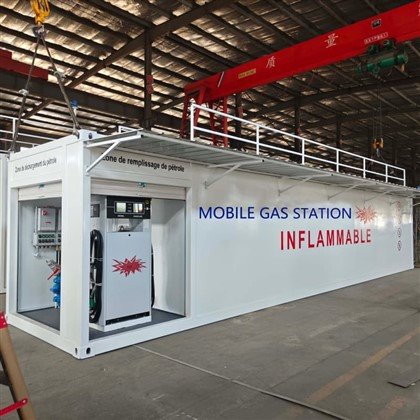
So to circle back to the original question: Are there eco-friendly explosion-proof fuel stations? Hell yeah, there are. They’re not the flashy, new tech that makes viral TikTok videos, but they’re solid, safe, and actually make sense for anyone who runs a fuel station—whether you’re a small local spot or a big fleet operator. The days of choosing between safety and the planet are over.
Explosion-proof Fuel Station If you’re a station owner, fleet manager, or someone who’s tired of choosing between explosion protection and sustainability, hit us up to talk through your setup. We don’t do one-size-fits-all—we build stations that fit your location, your needs, and your goals for being safer and greener. No pushy sales calls, no fine print, just straight talk about what works and what doesn’t.
References
- International Electrotechnical Commission. (2023). IEC 60079: Explosive atmospheres – Part 0: Equipment – General requirements.
- U.S. Environmental Protection Agency. (2022). Underground Storage Tank (UST) Program: Leak Prevention and Detection.
- National Fire Protection Association. (2021). NFPA 70: National Electrical Code, Article 500 (Hazardous (Classified) Locations).
- Solar Energy Industries Association. (2024). Off-Grid Solar for Remote Industrial Applications: Safety and Efficiency Standards.
- American Fuel & Petrochemical Manufacturers. (2023). Sustainable Fuel Station Infrastructure: Best Practices for Emission Reduction.
Shandong Jingcai Industry and Trade Co., Ltd.
As one of the most professional explosion-proof fuel station manufacturers and suppliers in China, we also support customized service. With abundant experience, we warmly welcome you to wholesale high quality explosion-proof fuel station in stock here from our factory. Contact us for free sample.
Address: Caojiazhuang Village Industrial Park, Lingcheng Town, Qufu City, Jining City, Shandong Province.
E-mail: shandongjingcai888@gmail.com
WebSite: https://www.sdjingcaicn.com/
