Hey there, fellow homeowners, small business owners, and anyone who’s ever stared at a wobbly lock cylinder and thought, “Is this thing even gonna hold up?” As someone who’s been in the lock cylinder game for over a decade—you know, the behind-the-scenes supplier that shops, tests, and ships the stuff that keeps your doors secure—I’ve seen it all. Drilling is still one of the most common ways crooks bypass a lock, and let’s be real, a lot of people don’t know what actually stops that from happening. I’ve had customers call me panicking because their old cylinder got drilled in a break-in, and they’re like “why didn’t my lock work better?” So today, I’m breaking down exactly how to protect a lock cylinder from drilling—no overly technical jargon, just real talk that I’ve picked up from testing hundreds of cylinders and working with locksmiths every week. Lock Cylinder
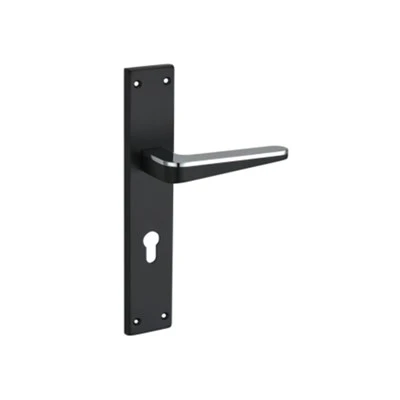
First, let’s get one thing straight: drilling isn’t some super secret, high-tech trick only master thieves know. It’s a straightforward, brute-force method. A bad guy gets a drill bit, lines it up with the center of your cylinder (that’s where the lock pin tumblers sit), and just bores through until the cylinder breaks apart enough to yank it out. The whole process takes, like, 10 seconds if your cylinder is cheap garbage. The good news? There are real, actionable steps that actually work to stop this—no weird hacks, just smart picks and installs.
Let’s start with the most obvious but most important: don’t skimp on the cylinder itself. I see this all the time—people buy the cheapest off-the-shelf cylinder from the hardware store, like the $5 ones you can get in a pack. Those are made with soft, thin metal (usually zinc alloy) that a standard drill bit will chew through in no time. From my experience, a quality drill-resistant cylinder has a steel or hardened alloy core, not just a soft outer shell. Wait, but not all “hardened” cylinders are the same. I’ve tested a bunch—some companies slap a steel sleeve on the outside of a zinc core and call it drill-resistant, but that’s a gimmick. Real drill-resistant cylinders have hardened steel inserts or pins right where the drill targets: the center (the cam area) and the pin channels. For example, the cylinders I supply have these tamper-resistant pins that are shaped weird—you can’t just bore straight through them; the drill bit will skip or snap because the metal is harder than the bit itself. That’s the stuff you want to look for. Avoid any cylinder that just says “drill-resistant” without specifics—ask for the grade. ANSI/BHMA Grade 1 or 2 are the real deal; Grade 3 is okay for interior doors but not exterior, since exterior doors are the main target for drummers (yes, that’s what we call drill-based thieves).
Next up: anti-drill plates. A lot of people don’t even know these exist, but they’re a game-changer. An anti-drill plate is a thin, flat piece of hardened steel that sits between your door and the lock cylinder. Wait, how does that work? Think of it this way: the cylinder sticks through the door, and the plate covers the back of the cylinder’s “tail” (the part that connects to the door latch). If a crook tries to drill through the cylinder, they’ll hit the plate first, and the plate is way harder than the drill bit. Most cheap anti-drill plates are just thin steel that can be drilled through with a cobalt bit, but the good ones are made from hardened stainless steel—they’re like trying to drill through a butter knife. I always recommend these for exterior doors, especially for small businesses that have glass storefront doors or back doors that are easy to target. Pro tip: make sure the plate is the right size—if it’s too small, it won’t cover the entire area the drill would hit. I’ve had customers buy generic plates that only cover half the cylinder, so it’s useless.
Then there’s something called “drill guards” or “cylinder guards.” Wait, is that different from anti-drill plates? Kind of—anti-drill plates are mounted on the inside or outside of the door, while cylinder guards are the covers that fit over the entire lock cylinder itself. They wrap around the cylinder and add an extra layer of hardened steel. Some even have notches or grooves that make it hard to line up the drill bit perfectly, so it skids off. I use cylinder guards on my personal front door, and let me tell you—even if someone got past the anti-drill plate, they’d have to get through this guard, which is a lot harder than drilling through a plain cylinder. Just make sure you get a guard that’s compatible with your cylinder. Some guards are too big and stick out, which can make them easy to pry off, but the ones I supply are low-profile, so they don’t attract attention, but they’re super tough.
Wait, let’s talk about installation, because even the best cylinder and plate won’t work if you install them wrong. I’ve seen so many customers call me after they installed their new cylinder themselves, and it’s like “why is this still getting drilled?” Turns out, they left a gap between the cylinder and the door, or they screwed the lock in too loosely. When a cylinder is loose, a crook can just pull it out a little with a pair of pliers before drilling, which makes the drill’s job way easier. You want the cylinder to fit tight, no wiggle room. Also, make sure the cam (the part that connects to the latch) is correctly adjusted—if it’s too short or too long, the drill can get into the gap instead of hitting the cam. Another big one: don’t use wood screws for metal doors or steel frames. Use machine screws instead—they’re thicker and won’t strip when someone’s trying to force the cylinder in. For metal doors, I always recommend a locksmith, not just because they know how to install it right, but because they can also add a deadbolt that’s compatible, not just a standard lock. Wait, speaking of deadbolts—having a deadbolt with a drill-resistant cylinder is non-negotiable for exterior doors. A lot of people rely on just a doorknob lock, which is way easier to drill. Deadbolts have a longer throw, so they go deeper into the frame, and a drill-resistant cylinder on the deadbolt is a must.
Oh, and there’s something I learned from testing cylinders in my shop: lubrication matters? Wait, no, not regular lubrication, but anti-seize? Wait, no—wait, if you put too much lubricant in the cylinder, can that make it easier to drill? No, actually, I’ve found that if the cylinder is stuck or not aligned, a crook can use a different method (like prying) but drilling is still drilling. Wait, maybe I should correct that—don’t over-lubricate, but regular light lubrication for the keyway is fine, it just makes the key turn. But here’s a trick I’ve picked up: if you notice your lock is getting a little stiff, don’t wait until it’s a problem—get it checked, because a loose or stuck cylinder is a prime target. I’ve had a customer whose front door cylinder was loose for months, and sure enough, someone drilled it right through the middle—because the cylinder could move, so the drill had no resistance.
Wait, let’s bust a myth real quick: “bump keys are worse than drilling.” No, not really—drilling is still one of the top methods used in residential and commercial break-ins, especially for people who don’t have a security system. Bump keys work if the pins are worn, but a good drill-resistant cylinder will stop drilling, so that’s a big win. Another myth: “alarm systems will stop thieves.” Maybe, but if a crook can drill your lock and get in in 10 seconds, your alarm might not even go off before they’re gone. Layered security is the way to go here, and lock protection is a huge part of that.
Now, what about common mistakes people make? I mentioned skimping on the cylinder, but another big one is buying a cylinder that’s not compatible with their door. For example, a cylinder for a wooden door won’t work the same as a cylinder for a steel door—steel doors require thicker, more durable cylinders because the frame is harder, so the drill will target the cylinder more. I once had a customer put a zinc cylinder on a steel back door, and it was drilled in 8 minutes—totally avoidable. Also, not replacing old cylinders. If your lock is over 10 years old, the metal inside has worn down, so it’s way easier to drill. I see this all the time with older homes—people keep the original lock from the 90s, which is made with soft metal, and it’s a sitting duck.
Wait, what about for commercial properties? I supply a lot of small business owners, and their needs are a little different. For storefronts with glass doors, you can’t add a big anti-drill plate, right? So what do you do? I recommend adding a rim cylinder with a hardened steel body, plus a door bar or a secondary deadbolt that’s drill-resistant. Also, for access control cylinders—those are popular for small businesses, and a lot of them have drill-resistant cores, so that’s a good pick. You just have to make sure the access control component is also tamper-resistant, not just the cylinder. From my experience, commercial properties are targeted more because of easy access, so investing in quality drill protection is way cheaper than fixing a break-in.
Let’s also talk about signs that your cylinder might be vulnerable. If you can move the cylinder back and forth with a little force (no, not with a key—just twisting it), that’s a red flag. If the key gets stuck sometimes, that could mean the pins are worn, which makes it easier to drill. Or if you notice scratches or dents on the cylinder, that’s a sign someone already tried to tamper with it, so you should replace it right away. I always tell my customers: better safe than sorry. I had a small café customer a few years ago who noticed scratches on their cylinder, replaced it with the drill-resistant one I supplied, and a week later, their security camera caught someone trying to drill it. The thief gave up after 30 seconds because the drill bit kept snapping—saved them a ton of money.
Wait, let’s get back to the basics for someone who’s not a pro. If you’re a homeowner looking to upgrade, here’s a quick checklist I give to every customer who messages me: 1. Pick an ANSI Grade 1 or 2 cylinder, made with hardened steel core and anti-drill pins. 2. Add a hardened anti-drill plate for each exterior lock. 3. Install a low-profile cylinder guard if you want extra layers. 4. Make sure the cylinder is tightened all the way (no wiggle!) when installing. 5. Replace cylinders that are older than 10 years or show signs of tampering. That’s it—no fancy tools, no confusing stuff, just steps that work.
I know a lot of people think “my lock is fine,” but drilling is such a common, easy method that it’s not worth taking the risk. As a lock cylinder supplier, I’ve tested way too many cheap cylinders that just don’t hold up, so I only stock the ones that pass my in-shop drill test—meaning the drill can’t get through the core in at least 2 minutes (enough time for the thief to get spooked and leave). That’s the bar I set for every cylinder I carry, and I stand behind it.
If you’re a homeowner looking to upgrade your locks, or a small business owner who needs a full set of drill-resistant cylinders and security accessories, don’t hesitate to reach out to my team to talk through your needs. We can help you pick the right cylinders for your doors, whether they’re wooden, steel, glass storefronts, or interior doors, and answer any questions you have about installation or compatible accessories. No pushy sales stuff, just real advice from someone who’s been in this game for years.
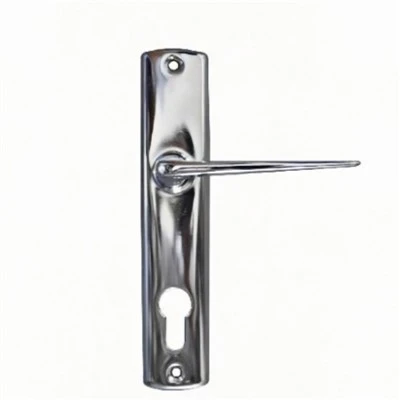
At the end of the day, protecting your lock cylinder from drilling is about two things: picking quality products and installing them correctly. You don’t need to spend a fortune—just avoid the super cheap stuff, add a few extra layers (anti-drill plates and guards), and make sure everything fits tight. I’ve seen too many break-ins that could’ve been prevented with these simple steps, and I want to help you avoid that too.
Mortise Lock Body REFERENCES
- "Physical Security Best Practices for Residential and Commercial Locking Systems," National Locksmith Association, 2022.
- "Attack Resistance of Lock Cylinders: Drilling and Picking Vulnerabilities," Journal of Security Technology, Vol. 18, No. 3, 2021.
- "ANSI/BHMA A156.36: Standard for Security Glazing Materials and Systems," American National Standards Institute, 2020.
- "Tamper-Resistant Lock Components: Materials and Testing Methods," International Locksmiths Association, 2023.
Jiangsu Wenzhong Lock Industry Co., Ltd.
As one of the most experienced lock cylinder manufacturers and suppliers in China, we also support customized service. We warmly welcome you to wholesale bulk cheap lock cylinder in stock here from our factory. If you have any enquiry about pricelist, please feel free to email us.
Address: Xiaoliang Industrial Park, Danyang City, Jiangsu Province
E-mail: Rongoo7@163.com
WebSite: https://www.wenzhonglocks.com/
