Hey there! I’m a supplier of pure water systems. You might think that a distillation pure water system is the ultimate solution for getting clean, pure water. Well, it does have its perks, but like anything else, it’s got its fair share of disadvantages. Let’s dive into them. Pure Water System
High Energy Consumption
One of the biggest drawbacks of a distillation pure water system is how much energy it guzzles. The process of distillation involves heating water until it turns into steam and then cooling it back down to a liquid. This heating and cooling cycle requires a significant amount of energy, especially if you’re running the system continuously or for large volumes of water.
For small – scale home use, this might not seem like a huge deal at first. But over time, the energy bills can really add up. And if you’re a commercial user, say a small laboratory or a food processing plant, where you need a constant supply of distilled water, the energy costs can become a major financial burden. You’ll basically be spending a lot of money on electricity just to get that pure water. It’s like paying extra for something that should be straightforward.
Slow Production Rate
The production rate of a distillation pure water system is another pain point. Distillation is a relatively slow process. It takes time for the water to heat up, turn into steam, and then condense back into a liquid. If you’re in a hurry to get a large quantity of pure water, you’re going to be waiting a long while.
Let’s say you have a sudden increase in demand for distilled water in your business. Maybe you’re hosting an event that requires a lot of bottled distilled water, or your laboratory has a rush project. Your distillation system won’t be able to keep up with the demand quickly enough. You could end up with delays in your operations, which can be costly in terms of both time and money.
Limited Removal of Volatile Organic Compounds (VOCs)
While distillation is great at removing many contaminants like heavy metals, bacteria, and some inorganic salts, it’s not so effective when it comes to volatile organic compounds (VOCs). VOCs are chemicals that easily turn into vapors at room temperature. They can be found in things like cleaning products, paints, and some industrial waste.
When you heat water during the distillation process, the water and the VOCs can vaporize together. So, when the steam condenses back into water, the VOCs can end up in the distilled water. This means that even though you’ve gone through the distillation process to get pure water, it might still contain some harmful VOCs. And if you’re using this water for things like drinking or in a medical setting, those VOCs can pose a health risk.
Maintenance and Upkeep
Maintaining a distillation pure water system is no walk in the park. There are a whole bunch of parts that need regular attention. The heating element, for example, can build up scale over time. Scale is a hard, crusty deposit that forms when minerals in the water are left behind as the water evaporates. This scale can reduce the efficiency of the heating element and even cause it to break down if it’s not cleaned regularly.
The condenser also needs to be kept clean. If it gets clogged with dirt or debris, it won’t be able to cool the steam effectively, which can slow down the production of distilled water. And then there are the filters. Some distillation systems have pre – filters to remove larger particles before the water goes through the distillation process. These filters need to be replaced regularly to ensure the system is working properly.
All this maintenance takes time and money. You’ll either have to do it yourself, which can be a hassle, or hire a professional, which can be expensive. And if you neglect the maintenance, the system’s performance will suffer, and it could even break down completely.
High Initial Cost
Buying a distillation pure water system isn’t cheap. The initial investment can be quite high, especially if you’re looking for a high – quality system that can produce a large volume of distilled water. For a small business, this can be a significant financial outlay.
You’ve got to consider not only the cost of the system itself but also the cost of installation. Depending on the complexity of the system, you might need to hire a professional to install it properly. And then there are the additional costs like plumbing and electrical work. All these expenses can make it difficult for some businesses and individuals to afford a distillation pure water system.
Environmental Impact
The high energy consumption of distillation pure water systems also has an environmental impact. The energy used to power these systems often comes from non – renewable sources like coal and natural gas. Burning these fossil fuels releases greenhouse gases into the atmosphere, contributing to climate change.
In addition, the production and disposal of the parts of the distillation system, like filters and heating elements, can also have an environmental impact. These parts are often made from materials that take a long time to break down in landfills. So, while you’re getting pure water, you’re also having a negative effect on the environment.
Lack of Essential Minerals
Distillation removes almost all the minerals from water. While this might sound like a good thing, as it gets rid of contaminants, it’s not entirely beneficial. Our bodies need certain minerals like calcium, magnesium, and potassium for proper functioning. When you drink distilled water that lacks these minerals, you’re missing out on an important source of nutrition.
Over time, drinking only distilled water could lead to mineral deficiencies. This can cause a variety of health problems, such as weak bones, muscle cramps, and fatigue. It’s important to get a balanced intake of minerals, and relying solely on distilled water can make it harder to achieve that.
Noise Pollution
Some distillation pure water systems can be quite noisy. The heating element and the pump used in the system can generate a lot of noise, especially when the system is running. This can be a nuisance, especially if the system is installed in a residential area or a quiet office environment.
You might find yourself constantly distracted by the noise, or it could even disrupt your sleep if the system is running at night. And if you’re in a commercial setting, the noise could be a problem for employees or customers.
Despite all these disadvantages, a distillation pure water system can still be a good choice in certain situations. It’s great for applications where you need extremely pure water, like in some scientific experiments or in the production of certain medications. But it’s important to be aware of these drawbacks before making a decision.
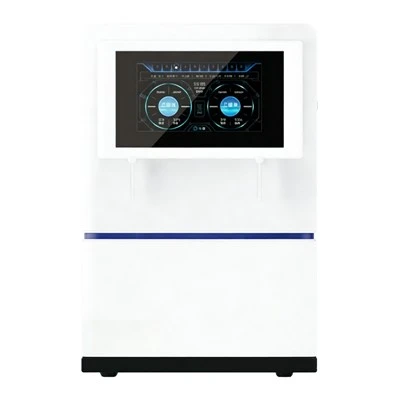
If you’re still interested in a pure water system and want to discuss the pros and cons further, or if you’re looking for alternative solutions that might better fit your needs and budget, feel free to reach out and contact us for a purchasing negotiation. We’re here to help you make the best decision for your water purification needs.
Sanitary Membrane References
- "Water Treatment Handbook" by Metcalf & Eddy
- "Drinking Water Chemistry: Fundamentals and Laboratory Exercises" by Peter A. Van den Berg
- Various industry reports on water purification systems.
Hangzhou Nanoimp Environmental Technology Co., Ltd.
With abundant experience, we are one of the most professional pure water system manufacturers and suppliers in China. Welcome to wholesale high quality pure water system in stock here and get pricelist from our factory. We also accept customized orders.
Address: Road 25, Baiyang Street, Qiantang District, Hangzhou City, Zhejiang Province
E-mail: keith.wang@nano-sepmer.com
WebSite: https://www.nanoimp-membrane.com/
