Hey there! I’m a silo supplier, and one question I get all the time is, "What’s the difference between a grain silo and a cement silo?" It might seem like a simple query at first, but there are quite a few things to unpack. In this blog, I’ll break down the key differences between these two types of silos, so you can make an informed decision when it’s time to buy. Silo
Structure and Design
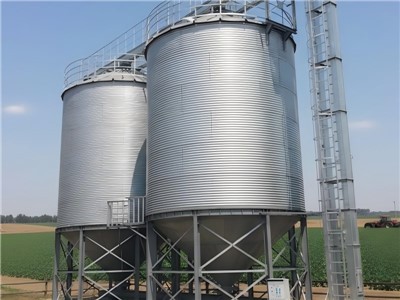
Let’s start with the structure. Grain silos are usually tall and cylindrical. They’re designed to store large volumes of grains like wheat, corn, and barley. The height helps with gravity flow, making it easier to load and unload the grains. These silos often have a conical bottom, which allows the grain to slide down smoothly when it’s time to be taken out.
On the flip side, cement silos also come in a cylindrical shape, but their design has some unique features. Since cement is a fine powder, cement silos need to have a more air – tight structure. They often have a steeper conical bottom compared to grain silos. This is because cement can be more prone to clogging, and the steeper angle helps the cement flow out more freely.
Another difference in design is the material used. Grain silos are commonly made of galvanized steel. Galvanized steel is great because it’s resistant to corrosion, which is important since grains can have some moisture content. It also provides a strong and durable structure to hold the large amount of grain.
Cement silos, on the other hand, can be made of either steel or concrete. Steel cement silos are popular because they’re relatively easy to install and can be transported to different locations. Concrete cement silos, though more permanent, are extremely strong and can withstand the pressure of the stored cement over a long period.
Function and Use
The main function of a grain silo is, well, to store grain. Grains need to be stored in a controlled environment to prevent spoilage. Grain silos often have features like ventilation systems to control the humidity and temperature inside. This helps keep the grains in good condition for months, or even years, depending on the type of grain.
When it comes to loading and unloading, grains can be loaded using conveyors or augers. Unloading is usually done through gravity, with the help of some mechanical assistance in larger silos. The grain can then be transported to mills, feedlots, or other processing facilities.
Cement silos, as you might guess, are used for storing cement. Cement is a crucial material in the construction industry, and proper storage is essential to maintain its quality. Unlike grains, cement is very sensitive to moisture. If it gets wet, it will harden and become useless. So, cement silos are designed to be completely air – tight to prevent any moisture from getting in.
Loading cement into a silo is typically done using pneumatic systems. These systems use compressed air to blow the cement into the silo. Unloading is also done using pneumatic systems, which can transfer the cement directly to the mixing equipment at a construction site.
Capacity and Size
Grain silos come in a wide range of sizes. Small – scale farmers might use silos with a capacity of a few thousand bushels, while large commercial farms or grain elevators can have silos that hold hundreds of thousands of bushels. The size of a grain silo depends on the amount of grain the user needs to store and the available space on the farm or at the facility.
Cement silos also vary in size, but they’re often sized according to the needs of construction projects. Small construction sites might use silos with a capacity of a few tons, while large infrastructure projects can require silos that hold hundreds of tons of cement. The size of a cement silo also needs to be considered in relation to the rate at which the cement will be used on the construction site.
Maintenance Requirements
Maintaining a grain silo involves regular cleaning to prevent the buildup of mold and pests. You also need to check the ventilation system to make sure it’s working properly. The galvanized steel surface should be inspected for any signs of corrosion, and if necessary, repairs or coatings should be applied.
Cement silos require a different set of maintenance tasks. Since they need to be air – tight, regular checks for leaks are essential. The pneumatic systems used for loading and unloading also need to be maintained to ensure smooth operation. Additionally, the interior of the silo should be inspected for any cement buildup, which can affect the flow of the cement.
Cost Considerations
The cost of a grain silo depends on its size, material, and additional features. A small – scale galvanized steel grain silo can cost a few thousand dollars, while large commercial silos can cost hundreds of thousands of dollars. The cost also includes installation, which can vary depending on the complexity of the project.
Cement silos can also vary in cost. Steel cement silos are generally less expensive than concrete ones. The cost is also influenced by the capacity of the silo and the type of pneumatic system required. Smaller cement silos for small construction projects can cost a few thousand dollars, while large silos for major infrastructure work can cost well into the six – figure range.
Conclusion
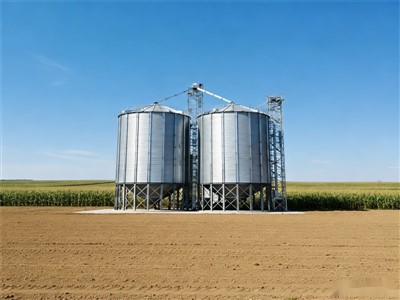
So, there you have it! The differences between a grain silo and a cement silo are significant in terms of structure, function, capacity, maintenance, and cost. Whether you’re a farmer looking to store your harvest or a construction company in need of a reliable cement storage solution, understanding these differences is crucial.
Silo If you’re in the market for a silo, whether it’s a grain silo or a cement silo, I’m here to help. I’ve got a range of silos that are built to last and meet your specific needs. Just reach out, and we can have a chat about what would work best for you. Let’s get you the right silo for your project!
References
- Agricultural Engineering textbooks on grain storage
- Construction industry manuals on cement storage and handling
Henan Oumu Intelligent Storage Equipment Co., Ltd.
As one of the most professional silo manufacturers and suppliers in China, we’re featured by quality products and good service. Please rest assured to buy customized silo made in China here from our factory. For quotation, contact us now.
Address: No. 681, Xinzhong Avenue, Hongqi District, Xinxiang City, Henan Province
E-mail: luna@oumu-silo.com
WebSite: https://www.oumu-silo.com/
