When it comes to acoustic noise barriers, one of the most frequently asked questions from our clients is about the installation time requirements. As a leading supplier of acoustic noise barriers, I understand that time is of the essence for many projects, whether it’s a highway construction, an industrial facility upgrade, or a residential area seeking noise reduction solutions. In this blog, I’ll delve into the factors that influence the installation time of acoustic noise barriers and provide some insights to help you better plan your projects. Acoustic Noise Barrier
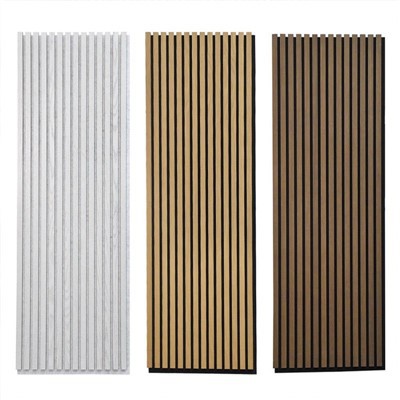
Factors Affecting Installation Time
1. Project Size
The scale of the project is perhaps the most obvious factor affecting installation time. Larger projects, such as those involving long stretches of highways or extensive industrial complexes, naturally require more time. For instance, a small residential noise barrier project that covers only a few meters may take just a couple of days to install. In contrast, a large – scale highway noise barrier project spanning several kilometers could take weeks or even months.
Let’s break it down further. For a simple, small – sized project, the installation team can quickly mobilize, set up the necessary equipment, and start the work. The number of panels to be installed is limited, and the logistics of transporting materials and tools are relatively straightforward. On the other hand, large projects demand careful planning. There are more panels to manufacture, transport, and install. Coordinating the movement of heavy equipment, such as cranes and forklifts, across a large area also adds to the complexity and time required.
2. Site Conditions
The condition of the installation site plays a crucial role in determining the installation time. A flat, well – prepared site is much easier and quicker to work on compared to a site with challenging terrain. For example, if the site is on a slope, additional measures need to be taken to ensure the stability of the noise barriers. This may involve building retaining walls or using specialized foundation systems, which can significantly increase the installation time.
In addition, the presence of existing structures or utilities at the site can also cause delays. If there are underground cables, pipes, or other infrastructure that need to be avoided or relocated, the installation process must be carefully coordinated with relevant utility companies. This can lead to waiting periods for approvals and the actual relocation work, adding days or even weeks to the overall installation schedule.
3. Design Complexity
The design of the acoustic noise barriers can have a major impact on installation time. Standard, pre – fabricated noise barriers are generally quicker to install than custom – designed ones. Pre – fabricated panels are mass – produced in a factory under controlled conditions, which ensures high quality and a relatively short production time. Once they arrive at the site, they can be easily assembled and installed according to a standard procedure.
Custom – designed noise barriers, however, are tailored to specific requirements. They may have unique shapes, sizes, or additional features, such as integrated lighting or advertising spaces. Designing, manufacturing, and installing these custom barriers require more time. The design process involves close collaboration with the client to meet their specific needs, and the manufacturing process may be more intricate and time – consuming.
4. Weather Conditions
Weather can be an unpredictable factor that affects the installation time of acoustic noise barriers. In ideal weather conditions, such as dry and mild temperatures, the installation work can proceed smoothly. However, adverse weather conditions can cause significant delays.
For example, heavy rain can make the installation site muddy and dangerous, preventing the use of heavy equipment and making it difficult to handle and install the noise barriers. High winds can also pose a safety risk and may require the work to be halted until the winds subside. In cold climates, freezing temperatures can make the ground hard, making it challenging to dig foundations for the noise barriers. Construction work may have to be halted during extreme weather events, and once the weather improves, additional time may be needed to dry out the site or thaw the ground.
Typical Installation Timeframes
Based on our experience as a supplier, here are some rough timeframes for different types of acoustic noise barrier projects:
Small Residential Projects
For small residential projects, typically covering less than 50 linear meters, the installation can usually be completed within 1 – 3 working days. These projects often involve simple, standard – sized noise barrier panels and relatively easy site conditions.
Medium – Sized Commercial or Community Projects
Medium – sized projects, such as those around commercial buildings or community areas, covering 50 – 200 linear meters, may take 3 – 7 working days. These projects may require more complex installation techniques, such as the use of anchor bolts or post – tensioning systems, and may involve working around existing structures.
Large – Scale Infrastructure Projects
Large – scale infrastructure projects, such as highway or railway noise barrier installations spanning several kilometers, can take several weeks to months to complete. A project of this scale often requires a phased approach, with different sections being installed at different times. The time required also depends on the number of workers and equipment available on – site.
Strategies to Minimize Installation Time
As a supplier, we are committed to helping our clients minimize the installation time of acoustic noise barriers. Here are some strategies we recommend:
1. Early Planning
Early planning is key to a smooth installation process. Work with our design team as early as possible to finalize the design of the noise barriers. This allows us to start the manufacturing process in a timely manner and ensures that the panels are ready for installation when needed. Early planning also gives you time to address any site – related issues, such as obtaining necessary permits and coordinating with utility companies.
2. Site Preparation
Proper site preparation can significantly reduce installation time. Clear the installation site of any debris, vegetation, or other obstacles in advance. Ensure that the ground is level and in good condition. If the site requires special foundation work, such as concrete pouring, schedule it well in advance so that the foundation has enough time to cure.
3. Use of Pre – Fabricated Panels
Whenever possible, choose pre – fabricated noise barrier panels. These panels are designed for quick and easy installation, and their quality is guaranteed through factory – controlled manufacturing processes. Our pre – fabricated panels come with pre – drilled holes and standardized connection systems, which can save a lot of time on – site.
4. Experienced Installation Team
Hire an experienced installation team. An experienced team is familiar with the installation procedures of acoustic noise barriers and can handle any unexpected issues that may arise during the installation process. They are also trained to work efficiently and safely, which can help minimize installation time without sacrificing quality.
Contact Us for Your Acoustic Noise Barrier Needs
If you are planning a project that requires acoustic noise barriers, we are here to help. Our team of experts can provide you with detailed estimates of the installation time based on your specific project requirements. We offer a wide range of high – quality acoustic noise barrier solutions, from standard pre – fabricated panels to custom – designed options.
Working with us means you’ll benefit from our extensive experience in the industry, our commitment to quality, and our focus on customer satisfaction. We’ll guide you through every step of the process, from design and manufacturing to installation.
Wooden Acoustic Panels Don’t let noise pollution dampen your project. Contact us today to start discussing your acoustic noise barrier needs and let’s work together to create a quieter, more comfortable environment. Just reach out, and we’ll be in touch to start the conversation about your project requirements and how we can meet them.
References
- Beranek, Leo L. Noise and Vibration Control. McGraw – Hill, 1971.
- Kryter, Karl D. The Handbook of Hearing and the Effects of Noise: Physiology, Psychology, and Public Health. Academic Press, 1994.
- Institute of Noise Control Engineering. Acoustical Design and Noise Control in Buildings. Institute of Noise Control Engineering, 2002.
Guangzhou MQ Acoustic Materials Co., Ltd.
Guangzhou MQ Acoustic Materials Co., Ltd. is one of the most professional acoustic noise barrier manufacturers and suppliers in China, featured by quality products and low price. Welcome to buy CE approved acoustic noise barrier in stock here and get quotation from our factory. We also accept customized orders.
Address: Room D403, KeZhu Business Building, ZhuJi Road, TianHe District, GuangZhou, China
E-mail: Lizzy@mq-acoustics.com
WebSite: https://www.acoustic-projects.com/
