If you’ve ever walked into a small commercial space, a boutique apartment building, or a community center and paused to notice the quiet movement of people between floors, chances are it was one of two systems: a small shaft gantry frame panoramic elevator or a platform lift. As a supplier who’s spent the last decade working directly with architects, building owners, and maintenance crews to install and refine these systems, I’ve fielded hundreds of questions about which one makes sense for a given project. It’s not a one-size-fits-all answer—too many people default to whichever is cheaper or more familiar, ignoring long-term needs like accessibility, space use, and even the feel of a building. Let’s break this down, not with jargon, but with the real-world lessons I’ve picked up on job sites from Boston to Phoenix. Small Shaft Gantry Frame Panoramic Elevator
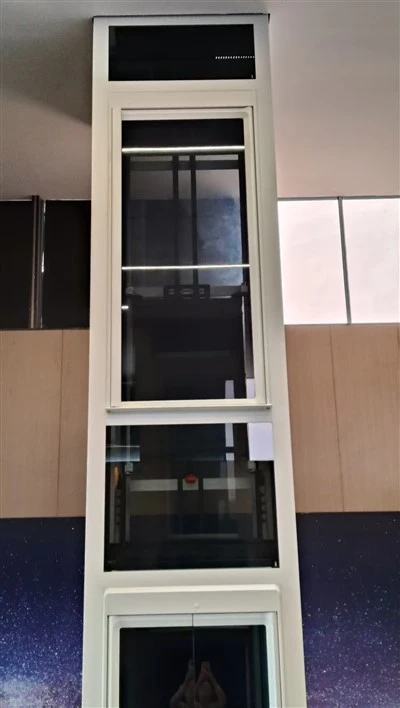
First, let’s define what each of these systems actually is, because the terms get tossed around a lot. A small shaft gantry frame panoramic elevator is a full, enclosed elevator that runs on a gantry (a rigid, frame-like support structure) that doesn’t require a full concrete shaft—hence “small shaft” for the narrow footprint it leaves. The “panoramic” part means its walls are often made of glass, so passengers can see out as they move. A platform lift, by contrast, is a simpler, smaller device that moves vertically between two or a small number of floors, usually with an open platform and minimal enclosure, designed mostly for people with mobility impairments to get up steps or between a ground and first floor.
Let’s start with the big one that almost everyone argues about: space. When I first started out, I worked on a 12-unit boutique apartment building in Brooklyn where the architect initially pushed for a platform lift because the core footprint was only 30 square feet—they thought a full elevator would take up too much of the already tight lobby. We talked to the building owner, a local developer named Maria, who had heard horror stories about platform lifts failing when a resident needed to move a wheelchair-accessible stretcher or a fridge up to a second floor. We ran the numbers: our small shaft gantry frame panoramic elevator only needed a 36×48 inch footprint—just a foot wider than the proposed platform lift. The gantry frame is modular, so we didn’t have to pour a massive concrete shaft; we bolted the steel frame to the existing floor and ceiling in a single day, no major demolition. The panoramic glass even became a selling point: tenants loved the view of the courtyard as they went up, which made the small lobby feel more open. A platform lift, in that same space, would have left the lobby cluttered, with an exposed track that made it easy for kids to trip, and it would only move between two floors—so anyone needing to go to the third floor would be out of luck. Space isn’t just about the footprint, it’s about flexibility, and that’s where the gantry elevator wins for most multi-floor small spaces.
Next, accessibility—this is non-negotiable for projects that have to meet ADA (Americans with Disabilities Act) standards in the U.S., or similar global accessibility codes. I’ve had several clients come to me frustrated because they installed a platform lift, only to be told it doesn’t meet full accessibility requirements for their building. ADA requires that a passenger elevator have a clear interior space of at least 54×84 inches to accommodate standard wheelchairs, plus space for a caregiver to assist, emergency call buttons at specific heights, and a design that allows for easy entry and exit from all sides. Platform lifts are often limited to a 36×54 inch platform, which might work for a mobility scooter, but they don’t allow for extra space, and many models only have one entry point—so if someone has a caregiver with them, they have to crowd in, or the caregiver has to take stairs. A small shaft gantry frame panoramic elevator, even in its smallest form, meets all ADA requirements because it’s designed as a full elevator system. Last year, we did a project for a small community center in Detroit that serves seniors and people with varying mobility levels. The platform lift they had before only worked for one wheelchair user at a time, and it didn’t have a handrail or enough lighting for visually impaired users. The gantry elevator we installed had side entry doors (so users don’t have to back into a narrow space), tactile floor indicators for visually impaired passengers, and a call button with raised numbers that was positioned perfectly for a range of heights. It was a bigger lift, but because the gantry frame is modular, we didn’t have to alter the main lobby structure—we just framed around the existing support beams. That’s the difference between a system that checks a box and one that actually serves the people using it.
Durability and maintenance are another area where I’ve seen clients regret choosing the wrong system. Platform lifts are designed for light use, usually a few trips a day. I had a client in Austin who installed a platform lift in a small office building and had to replace the motor six months later—ten employees were using it to get between the ground and second floor, 10 times a day. The lift’s small motor wasn’t built for consistent daily use. Gantry frame panoramic elevators, by contrast, are built for heavy, frequent use—we’ve installed models that see 50+ trips a day in small medical offices and retail spaces, and the only maintenance needed is a monthly check of the gantry frame bolts and a bi-annual cleaning of the panoramic glass. The gantry itself is made of galvanized steel, so it doesn’t rust, even in humid climates like Florida. Last year, a client in Miami had a platform lift installed in a condo building, and within a year, the track had corroded from salt air, causing the lift to stick halfway between floors. The gantry elevator we recommend has a sealed drive system, so salt and dust don’t get into the motor or tracks. That upfront cost for the elevator is higher, but the long-term maintenance is half what it is for a platform lift, and the lifespan is roughly 20 years, compared to 10 years for a quality platform lift. I always tell clients: if you’re choosing between a $10,000 platform lift that will last 10 years and needs $2,000 a year in repairs, versus a $25,000 gantry elevator that lasts 20 years and needs $500 a year in maintenance, the elevator is the better financial decision over time.
Then there’s the aesthetic and functional feel of the space, which I think is overlooked too often. A lot of small building owners don’t realize that a panoramic elevator can actually boost property value, because it becomes a feature. The Brooklyn apartment building I mentioned earlier, with our gantry elevator, was able to charge $150 more a month in rent per unit, because residents cited the elevator as a top amenity. It’s not just a functional system—it’s a design element. The panoramic glass lets natural light into the core of the building, which makes the small lobby feel brighter and less cramped. A platform lift, by contrast, is usually a utilitarian, metal-and-plastic device that sticks out like a sore thumb in a well-designed space. I once did a project for a boutique coffee roaster in Portland, where the owner wanted a lift to get between the retail floor and the roasting area upstairs. A platform lift would have blocked the view of the roasting operation, which was a key part of their brand. The small shaft gantry frame panoramic elevator we installed had smoked glass that still let light through, but was opaque enough that the roasting equipment wasn’t visible to customers—perfect for showcasing the coffee, while still allowing employees and customers to move between floors. Platform lifts don’t offer that kind of design flexibility; they’re made for function first, with little attention to how they look in a space that’s supposed to feel welcoming.
Wait, but there are cases where a platform lift makes sense, right? I don’t want to paint one as better than the other, because that’s not helpful. If you have a single-family home with only two floors, no plans to add more, and you’re just looking for a way to get an elderly parent up a short flight of stairs, a platform lift is a good, low-cost option. Or if you have a very small space, like a tiny guest house, and you only need to move between one or two floors, a platform lift can work. But for any space that has three or more floors, serves multiple people (like an apartment building, office, or community center), or needs to meet accessibility codes for public use, a small shaft gantry frame panoramic elevator is the better long-term choice. I’ve seen too many people cut corners with a platform lift, only to have to replace it a few years later, or get hit with accessibility penalties because it doesn’t meet code.
Let me wrap this up with a real story that stuck with me. A few years ago, I worked on a small church in rural Ohio that had a two-story sanctuary. They installed a platform lift to get between the main floor and the choir loft, but after a year, the lift broke, and the church couldn’t afford to fix it. The choir, which had members with mobility impairments, couldn’t perform upstairs, so they had to move to the main floor, which changed the whole sound of the service. The pastor called me, and we installed a small shaft gantry frame panoramic elevator in a spot that had been unused space between the sanctuary and the parish hall. It took two days to install, no major construction, and now it’s used for the choir, for bringing up communion wafers and supplies, and even for delivering food to the food pantry in the parish hall. The church still talks about that elevator as one of the best investments they’ve made for the community.
At the end of the day, choosing between these two systems comes down to three things: how many floors you need to serve, how many people will use it, and what your long-term goals are for the space. If you’re in the design phase of a small commercial building, boutique apartment, or community center, and you want a system that’s accessible, durable, space-efficient, and adds value, a small shaft gantry frame panoramic elevator is worth considering. If you have a small, two-story private space and need a basic solution, a platform lift can work. But don’t let the low upfront cost of a platform lift fool you—many clients come to me after dealing with the headaches of a lift that’s too small, too slow, or doesn’t meet code, and they end up switching to a gantry elevator anyway.

If you’re ready to talk through your project, whether it’s a 10-unit apartment building, a small retail space, or a community center, I’m here to walk you through the options, answer your questions, and help you pick a system that fits your needs. There’s no one right answer for every space, but taking the time to look at all the factors will save you time, money, and stress down the line.
Small Shaft Gantry Frame Panoramic Elevator Reference List
- U.S. Access Board. (2023). ADA Accessibility Standards for Passenger Elevators. https://www.access-board.gov/ada-aba/elevators.html
- National Elevator Industry, Inc. (2022). Small-Shaft Elevator Performance and Durability Guidelines.
- Architectural Record. (2021). Designing for Small-Space Accessibility: Balancing Function and Aesthetics in Vertical Transportation.
- International Code Council. (2023). International Building Code Requirements for Vertical Platform Lifts and Passenger Elevators.
Ningbo Homeway Elevator Co., Ltd.
Ningbo Homeway Elevator Co., Ltd. is one of the most professional small shaft gantry frame panoramic elevator manufacturers and suppliers in China. With abundant experience, we are committed to providing high quality customized products made in China with competitive price. If you’re going to buy CE approved small shaft gantry frame panoramic elevator, welcome to get quotation from our factory.
Address: No.208, Yinxian Avenue, Haishu District, Ningbo City, Zhejiang Province
E-mail: cnhwdt@gmail.com
WebSite: https://www.homewayelevator.com/
