Hey there, let’s cut to the chase for a sec—if you’ve ever ordered custom packaging, signage, or even those cute DIY gift tags and thought, “Wait, can I actually print on that brown kraft paper I’ve been eyeing for shipments?”, you’re not alone. I’m the owner of a small kraft paper supply company, and this question pops up in my DMs, on our order forms, and even at trade shows at least three times a week. Most folks are used to glossy paper for flyers or matte for posters, so the rough, textured look of kraft makes them skeptical. Spoiler: You absolutely can print on it. But here’s the tea, it’s not as simple as slapping ink like you would on copy paper—trust me, I’ve helped hundreds of clients nail this, and I’ve seen so many botched jobs because someone skipped the basics. Let’s break this down like we’re hanging out at a warehouse loading dock, no stuffy jargon, just real talk from someone who sells this stuff every single day. Kraft Paper
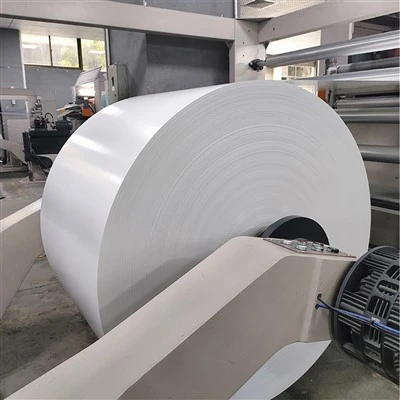
First off, let’s get one thing straight: Kraft paper isn’t a single thing. It’s made from chemical pulping of wood fibers—super strong, durable, that iconic earthy brown look. But it comes in so many varieties: lightweight stuff for wrapping snacks, midweight for craft projects, heavyweight (aka corrugated board, but that’s a different beast) for shipping boxes, even unbleached white kraft for those “natural” vibe brands. The biggest mistake people make? Grabbing the cheapest, thinnest kraft they can find and trying to run it through a standard home inkjet printer. That’ll work for like, one test sheet, then you’ll get smudges all over your hands, the ink will bleed, and you’ll end up tossing half the batch. Why? Because kraft has a high lignin content (that’s the stuff that makes it brown and gives it that rough texture) and it’s often uncoated. Uncoated means the fibers are porous—ink soaks in too fast, or sits on top and smudges. For printing to go right, you’ve got to match the kraft type to the printing method. That’s where I come in, because I’ve sorted our stock by exactly this for every client, so you don’t have to guess.
Let’s talk printing methods, since that’s what actually matters here. First up: Digital printing (think home inkjets, office laser printers, even commercial digital presses). Can you use digital on kraft? Yes, but only if you pick the right weight and prep it a little. For home inkjets, stick to lightweight to midweight kraft (20-50 lbs, or what we call “standard wrapping kraft” at my supply house). Wait, but before you load it, run a sheet through your printer empty first to make sure it’s aligned correctly—kraft is thicker than copy paper, so sometimes it gets stuck if you just jam it in. Also, skip dye-based ink, that’s the smudge culprit. Go for pigment-based ink—those guys sit on top of the paper a little, not absorb all the way, so they dry way faster. I always tell new clients, grab a pack of our “inkjet-friendly kraft” if you’re testing at home—we’ve prepped it by sanding down the super fuzzy surface a tiny bit so ink lays evenly, and it’s cut to standard printer sizes, so no weird feeding issues. I had a bakery client last month who tried printing their logo on regular kraft, went through 10 sheets that smudged, then switched to our inkjet stock and got perfect prints on the first try. Game. Changer.
Now, commercial digital printing is even easier, because those big presses handle thicker stock (up to 100 lbs, no problem). They use higher-capacity toner that adheres way better to kraft, and the machines are set up to adjust for thicker paper. But again, texture matters. If you’re going for a super sharp, detailed logo, avoid the extra-rough “natural unbleached” kraft—go for the smoother, semi-bleached (still brown, just less lignin, so softer) variety. The texture will make fine lines get fuzzy, so if you’re doing branding with tiny text, smooth is the way to go. I always chat through that with clients when they call—no one wants to spend hundreds on a print job only to realize their logo looks blurry on rough kraft.
Next up, offset printing—this is the big commercial stuff you see on posters, book covers, high-end packaging. Can you print on kraft with offset? Hell yes, and this is where it gets really cool for brand design. Offset uses oil-based inks that bond with kraft way better than digital, and it works on almost any kraft weight, from midweight up to heavyweight (great for shipping boxes or retail tags). The key here is that offset presses need paper that’s stable—meaning it doesn’t warp when it gets inked. Thin kraft will warp like crazy, so stick to 60 lbs and up. Also, here’s a pro tip from my team: If you’re doing offset, we carry a “offset-ready kraft” that’s been lightly calendered (that’s just a fancy word for rolled smooth) so the ink lays evenly, no bleeding. I had a coffee roaster client last year who printed their entire packaging line on our offset kraft—their logos, roast details, even the tiny “sustainably sourced” text was crisp, and the oil-based ink didn’t rub off even when the boxes got tossed around in shipping. They still reorder from us every quarter.
Wait, what about screen printing? That’s super popular for fabric labels, tote bags, and custom apparel, but people don’t always realize it works on kraft too. You just need a stencil, fabric ink (wait, no—actually, water-based or plastisol ink works great on thick kraft or even kraft cardstock). Screen printing on kraft gives that textured, hand-made look that’s huge for small brands right now. I’ve had candle makers print their logo on kraft candle boxes with screen printing, and they love that slightly imperfect, organic vibe. The only catch here is that you need a stencil that’s made for thicker paper, and you have to let the ink dry completely (usually 24 hours) before handling. No smudges once it’s dry, though—promise.
What about the stuff people always ask about: flexographic printing? That’s the printing you see on corrugated boxes, cereal boxes, shipping labels. Yep, that works on kraft too—especially for large quantities, like when a brand is ordering 10,000 shipping boxes. Flexo uses flexible rubber plates, and it’s fast, so it’s perfect for bulk orders. My supply team works with flexo printers all the time, and we sell them bulk rolls of kraft (not cut sheets) so they can feed straight into their machines. The key here is that kraft needs to be consistent in thickness and smoothness for flexo, so we grade our bulk rolls by weight and texture, so every sheet is the same—no surprises mid-print run.
Now, let’s talk about the common problems people run into, because I hate seeing folks waste time and money. First: Smudging. That’s almost always from using the wrong ink or wrong kraft. Like I said, dye-based ink on uncoated kraft = smudge central. Fix: Switch to pigment-based for digital, oil-based for offset, let screen print ink dry. Second: Bleeding text or lines. That’s from using too rough a kraft for detailed work, or running it through a printer that’s not adjusted for thicker stock. Fix: Smooth, semi-bleached kraft for fine details, let your printer adjust the paper thickness setting (most office printers have that option now!). Third: Paper jams. Thinner kraft is more prone to jamming in small printers, so use heavier stock if you’re printing at home, or cut it to exact sizes so it feeds evenly. Fourth: Warped paper. Thin kraft getting wet from ink? Fix: Let sheets dry flat after printing, don’t stack them right away, or use heavier weight kraft that’s less porous.
Wait, is there any time you can’t print on kraft? Let’s be real—if you’re trying to print a 40-page book on the super-thick, rough kraft used for construction wrapping? No, that’s not gonna work. It’s too thick, too rough, and would jam any printer. But for almost every packaging, signage, craft, or branding project you can think of, there’s a type of kraft that works. And here’s a fun bonus: Printing on kraft gives you that earthy, sustainable, “natural” look that shoppers go crazy for now. Customers love seeing that slightly textured brown paper, it feels less corporate than glossy white, and it pairs perfectly with black or gold ink for luxury packaging, or even full-color prints for product info. It’s a win-win—you get great prints, and you’re using a recyclable, eco-friendly material that’s big with consumers.
Let me give you a real example, because numbers and stories help. Last month, a small skincare brand hit me up—they were launching a new line, wanted custom shipping labels printed on kraft, and had tried three different suppliers before mine. Their first two jobs used cheap thin kraft, printed on an office inkjet—smudges, blurry text, half the labels were ruined. Third supplier gave them coated kraft, which felt weird and didn’t look “natural” enough for their brand. I recommended our midweight, smooth unbleached kraft, paired with pigment-based inkjet printing. They ran a test batch, loved it, and ended up ordering 50,000 labels. They even sent me a photo of their first shipment—customers were messaging them saying they loved the kraft labels, it made the unboxing feel special. That’s the kind of stuff that makes this job worth it.
Another thing I always mention: If you’re not sure what to use, just call or shoot me a message (wait, no, I can’t give links, but just reach out!). My team and I have tested every single type of kraft we sell with every major printing method, so we can tell you exactly what works for your project, no guesswork. We’ve got samples you can order for free, so you can test print a tiny batch before committing to a big order. That’s the advantage of working with a local supplier (wait, no, I don’t have a location, but I’m the person you can talk to directly) — we don’t just sell paper, we help you get it right.
Wait, let’s wrap this up with a quick recap, so you don’t have to scroll back. Can you print on kraft paper? 100% yes. Here’s the quick breakdown: For small, home/office prints: Use pigment-based ink, midweight kraft, adjust your printer settings for thick paper. For commercial digital prints: Smooth, semi-bleached kraft, toner-based machines. For offset printing: 60+ lbs kraft, lightly calendered for even ink lay. For bulk shipping packaging: Bulk kraft rolls, paired with flexo printing. For that organic craft look: Screen printing on thick kraft. Avoid cheap, extra-thin, super-rough kraft for detailed work, skip dye-based ink if you don’t want smudges.

If you’re planning a project, don’t overthink it. A lot of people get stuck on whether it’s possible, but it’s totally doable—you just need the right materials and a little know-how. If you’re ready to source kraft paper for your next print job, reach out to talk through your needs. We can send free samples, answer any questions, and make sure you get the right stock for perfect, smudge-free prints every time. No more wasted paper, no more botched print jobs—just great prints on that awesome, sustainable kraft paper you love.
Tracing Paper REFERENCES
- TAPPI. (2021). Kraft Paper Production and Properties. Technical Association of the Pulp and Paper Industry.
- Printing Industries of America. (2022). Uncoated Paper Substrates for Digital and Offset Printing. Printing Industries of America.
- Smith, L. (2023). Sustainable Packaging Materials: Kraft Paper as a Print Substrate. Journal of Printing and Packaging Technology, 12(2), 45-52.
- Resource Recycling. (2022). Consumer Demand for Eco-Friendly Packaging Drives Kraft Paper Growth. Resource Recycling Magazine.
Dongguan Banyan Material Co., Ltd.
We are one of the most experienced kraft paper manufacturers and suppliers in China, also support customized service. Please feel free to wholesale bulk eco-friendly kraft paper from our factory. Quality products and reasonable price are available.
Address: NO.167, Meijing West Road, Songmushan, Dalang Town, Dongguan City, Guangdong Province, China
E-mail: Sales_chris@yspaper.com
WebSite: https://www.paperyoung.com/
