Securing a load on a truck is a critical task that demands attention to detail, adherence to safety standards, and a deep understanding of the cargo being transported. As a trusted trucks supplier, I’ve witnessed firsthand the importance of proper load securing in ensuring the safety of drivers, the public, and the integrity of the goods being hauled. In this blog, I will share insights and best practices on how to secure a load on a truck effectively. Trucks

Understanding the Basics of Load Securement
Before we delve into the specific techniques, it’s essential to understand the basic principles of load securement. The primary goal is to prevent the load from shifting, falling, or sliding during transit. This not only protects the cargo but also reduces the risk of accidents caused by an unbalanced or unstable load.
The Federal Motor Carrier Safety Administration (FMCSA) in the United States has established regulations for load securement, which include requirements for the type and quantity of tie – downs, the strength of the securing devices, and the proper placement of the load on the truck. These regulations are designed to ensure that all loads are transported safely, regardless of the size or type of vehicle.
Pre – loading Inspection
Before loading the truck, a thorough inspection is necessary. Check the truck’s deck, side rails, and tie – down points for any signs of damage or wear. Ensure that the tie – down points are strong enough to support the weight of the load. A damaged or weak tie – down point can fail during transit, leading to a dangerous situation.
Also, inspect the cargo itself. Look for any sharp edges or protruding parts that could damage the securing devices. If the cargo is fragile or easily damaged, consider using additional padding or protective materials to prevent scratches or breakage.
Choosing the Right Securing Devices
Selecting the appropriate securing devices is crucial for effective load securement. There are several types of tie – downs available, each with its own advantages and limitations.
- Ratchet Straps: These are one of the most commonly used tie – down devices. They are adjustable, allowing you to tighten the strap to the desired tension. Ratchet straps are available in various lengths and strengths, making them suitable for a wide range of loads.
- Chain and Binders: Chains are extremely strong and are often used for heavy – duty loads. They are more resistant to abrasion and cutting than straps. Binders are used to tighten the chains, and they come in different types, such as lever binders and ratchet binders.
- Cargo Nets: Cargo nets are useful for securing loose or irregularly shaped loads. They are made of strong mesh material that can hold the load in place and prevent it from shifting.
When choosing securing devices, consider the weight, size, and shape of the load. The strength of the tie – down should be appropriate for the weight of the cargo. As a general rule, the combined strength of all tie – downs should be at least one – half of the weight of the load.
Proper Placement of the Load
The way you place the load on the truck is just as important as the securing devices you use. Start by distributing the weight of the load evenly across the truck’s deck. An unevenly distributed load can cause the truck to become unstable, increasing the risk of a roll – over.
For long or heavy items, place them as close to the center of the truck as possible. This helps to maintain the truck’s balance and reduces the stress on the tie – downs. If you are transporting multiple items, stack them in a stable configuration and secure them together to prevent shifting.
Loading and Securing Techniques
Once you have carefully placed the load on the truck, it’s time to start securing it. Here are some step – by – step techniques for different types of loads:
- Boxes and Pallets: For boxed or palletized loads, use ratchet straps to secure the pallets to the truck’s deck. Place the straps over the top of the pallets and attach them to the tie – down points. Tighten the straps evenly to ensure that the load is held firmly in place. If necessary, use additional straps to secure the individual boxes on the pallets.
- Large Equipment: When transporting large equipment, such as heavy machinery, chains and binders are often the best choice. Wrap the chains around the equipment and attach them to the tie – down points. Make sure the chains are tight and that the equipment is centered on the truck. Use corner protectors to prevent the chains from rubbing against the equipment and causing damage.
- Loose or Irregularly Shaped Loads: Cargo nets are ideal for this type of load. Spread the net over the load and attach it to the tie – down points around the truck’s deck. Pull the net tight to hold the load in place. You may also need to use additional straps or chains to secure any large or heavy pieces within the net.
Final Checks
After securing the load, perform a final check. Walk around the truck and inspect all the tie – downs to make sure they are tight and in good condition. Check for any signs of the load shifting or the tie – downs starting to loosen. If you find any issues, make the necessary adjustments immediately.
It’s also a good idea to test the load by gently rocking the truck or applying a small amount of force to the load. This can help you identify any potential problems that may not be obvious during a visual inspection.
Importance of Training
Proper load securement requires training and experience. As a trucks supplier, we understand the significance of providing training to our customers. Whether you are a new truck driver or an experienced fleet operator, ongoing training on load securement is essential. Training programs can cover topics such as the proper use of securing devices, load distribution, and compliance with regulations. By investing in training, you can ensure that your drivers are equipped with the knowledge and skills needed to secure loads safely.
Conclusion
Securing a load on a truck is a complex but essential task. By following the best practices outlined above, including conducting pre – loading inspections, choosing the right securing devices, placing the load properly, and performing final checks, you can significantly reduce the risk of accidents related to load shifting.
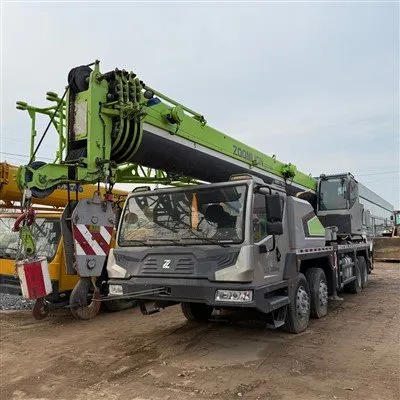
As a trucks supplier, we are committed to helping our customers transport their cargo safely. We offer a wide range of trucks and load – securing equipment, as well as training and support services. Whether you are looking for a single truck or an entire fleet, we have the solutions to meet your needs.
Tanker If you are interested in purchasing trucks or learning more about our load – securing products and services, we encourage you to contact us for a discussion. We look forward to the opportunity to work with you and help you achieve safe and efficient cargo transportation.
References
- Federal Motor Carrier Safety Administration. (Year). Regulations for Load Securement.
- Industry Standards for Trucking and Cargo Transport. (Year). Published by [Industry Association Name].
Shandong Huayuanda Automobile Manufacturing Co., Ltd.
As one of the most experienced trucks manufacturers and suppliers in China, our products have good reputation in the market. We warmly welcome you to buy high quality trucks at low price from our factory. If you have any enquiry about cooperation, please feel free to email us.
Address: Industrial Park, Quanpu Town, Liangshan County, Jining City, Shandong Province
E-mail: Huayuanda2024@163.com
WebSite: https://www.hydtrailer.com/
